
RESTAURANT / AI FOOD PHOTO
AI-фуд-фото
Клиент пришел с фотографиями от профессионального фотографа, но еда на них выглядела плоско и слишком просто. Я пересобрала визуальное направление через AI: теплый интерьер, ресторанный свет, пар, текстуры, аппетитная подача и кадры, которые можно использовать в меню, на сайте и в коммуникации.
- 17
- финальных кадров еды
- 0
- дополнительных съемочных дней
- AI
- визуальное направление и пересборка
- 1
- ресторанная атмосфера
КОНТЕКСТ
Слабые фото еды.
- 01Фото снижали уровень брендаСнимки были сделаны профессионально, но еда выглядела как в столовой.
- 02Не было ресторанного контекстаКадры не показывали интерьер, теплый свет и атмосферу места.
- 03Блюда теряли аппетитностьНе хватало объема, пара, сочной текстуры и живой подачи.
- 04Контент нельзя было масштабироватьНужна была серия для меню, сайта, соцсетей и бренда.
ПОДХОД
AI расширил съемку.
VISUAL SYSTEM
Премиальная фуд-серия
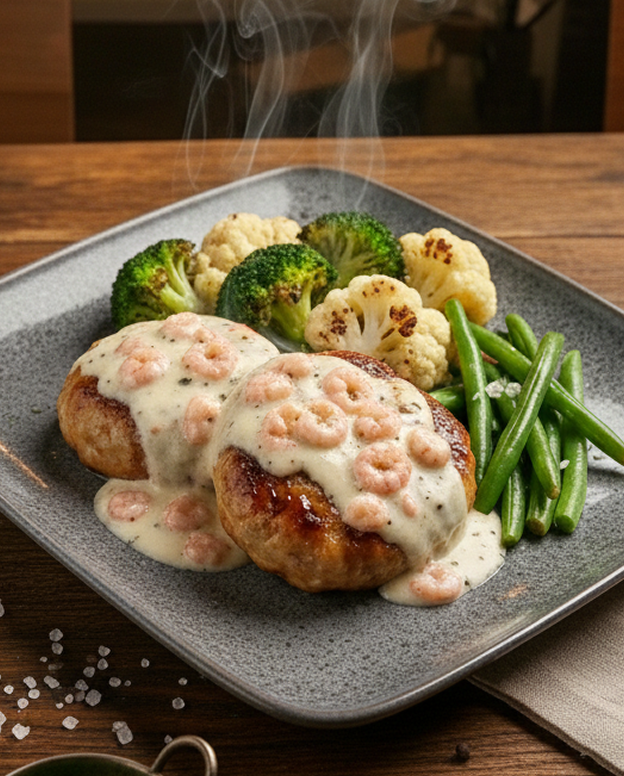
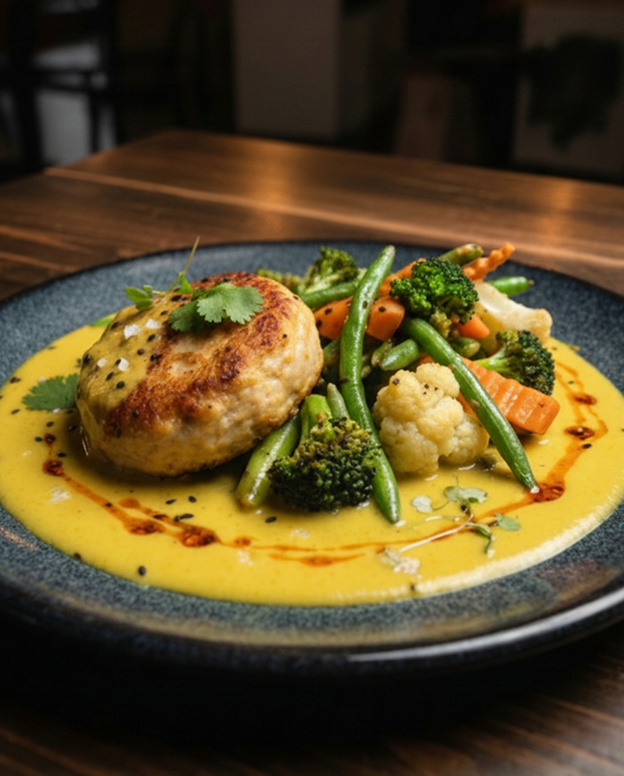
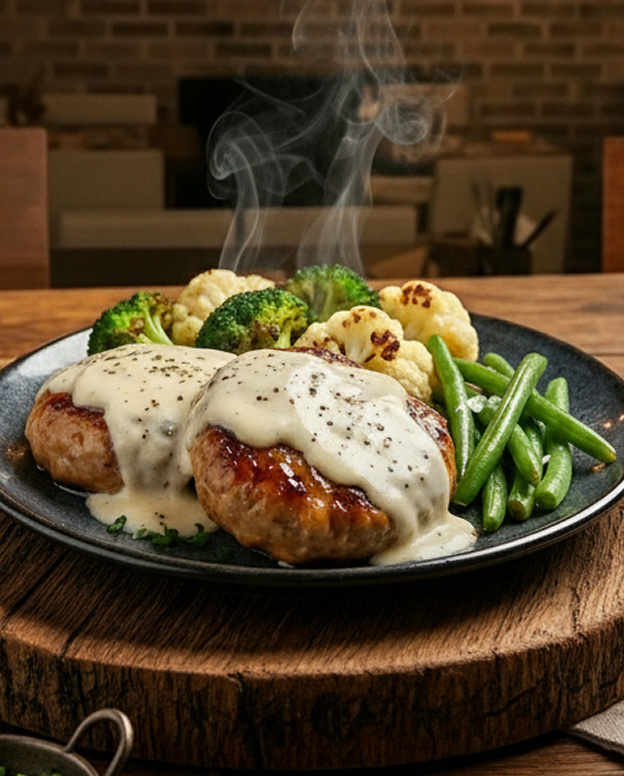
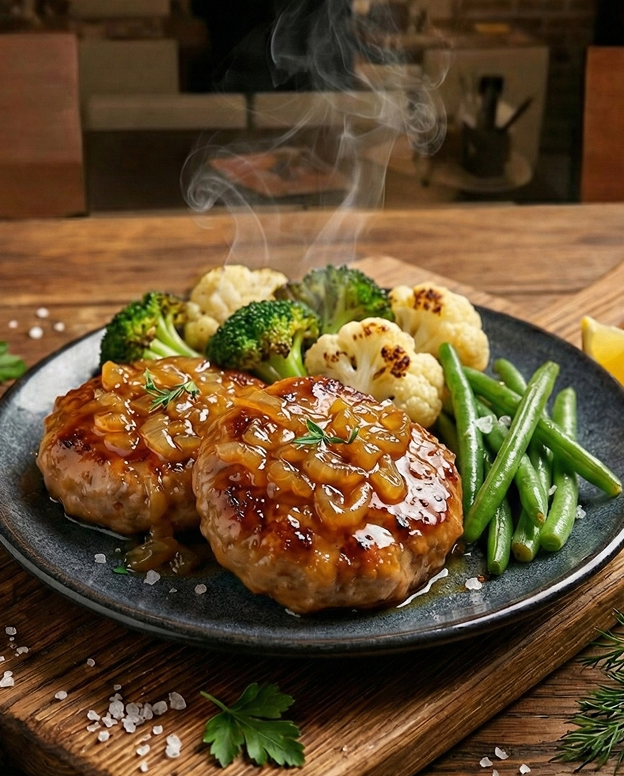
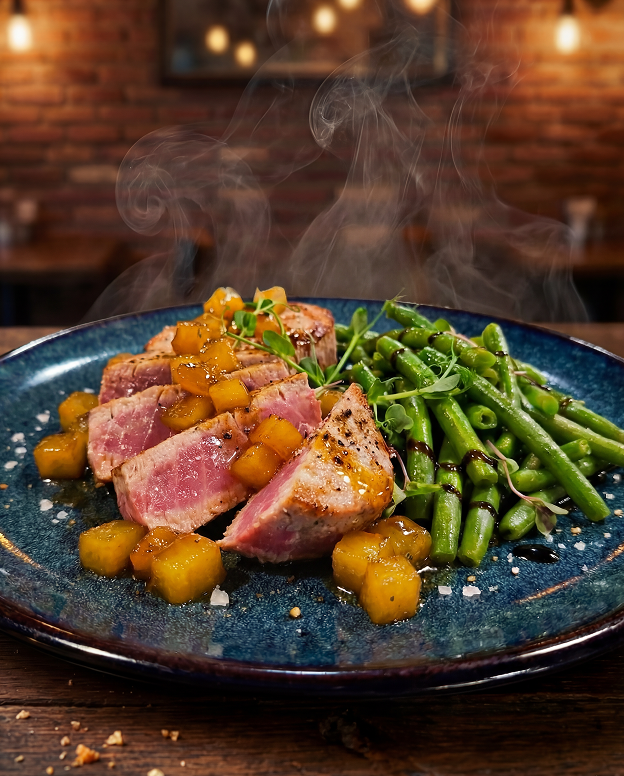
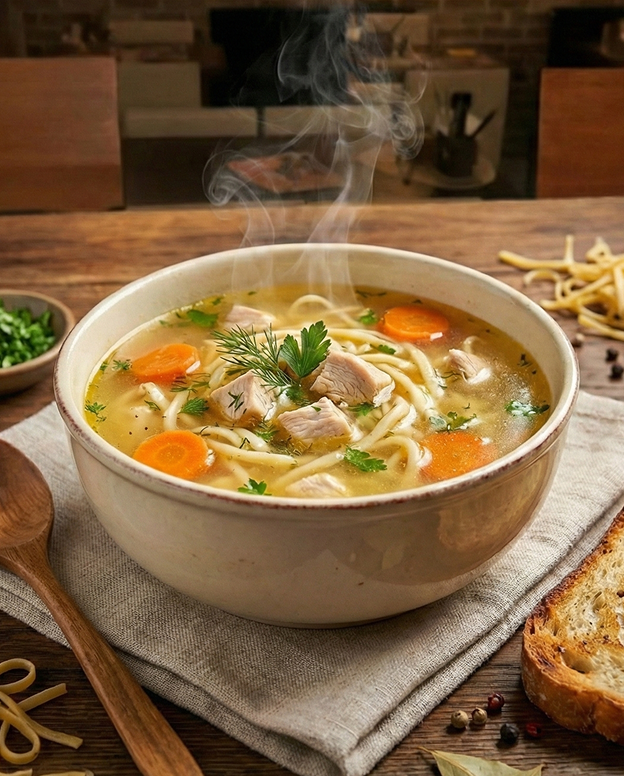
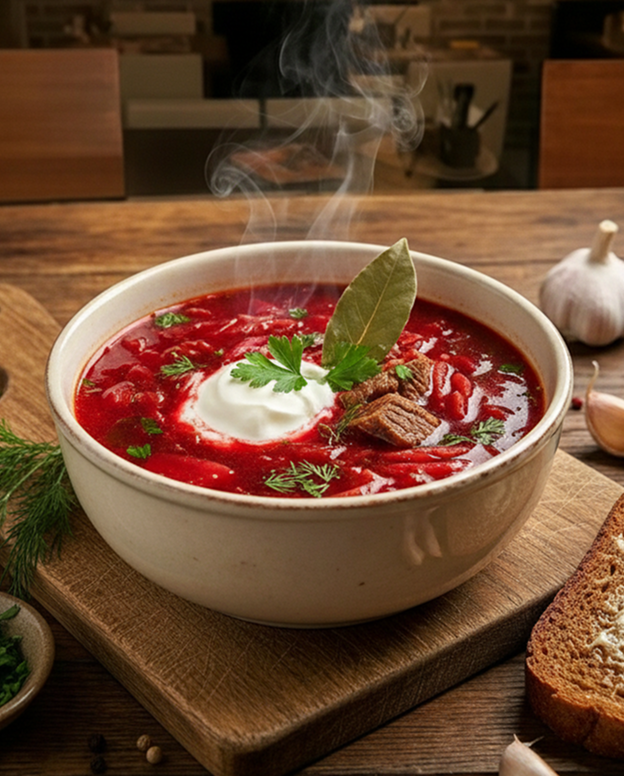
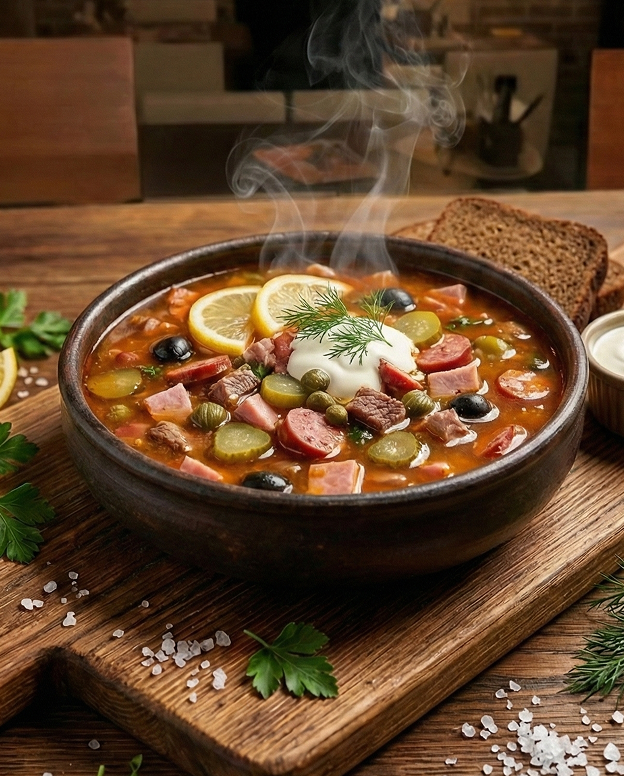
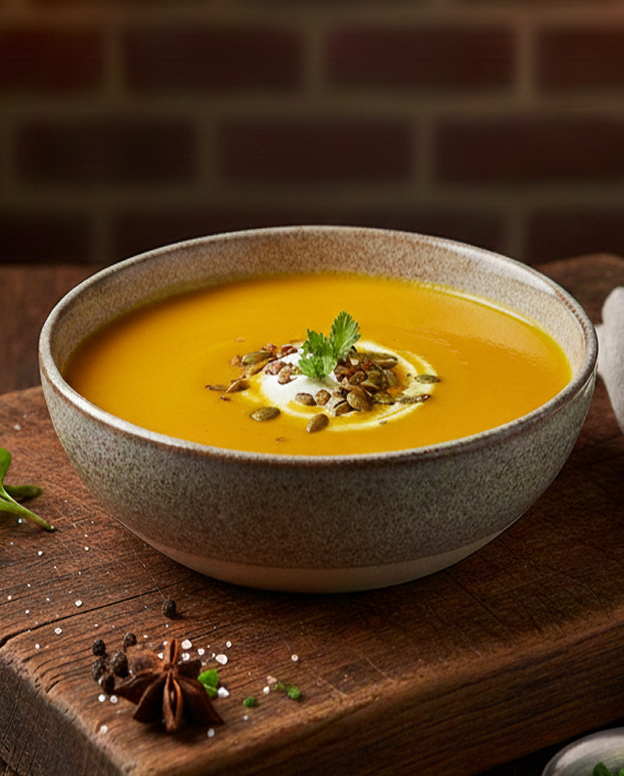
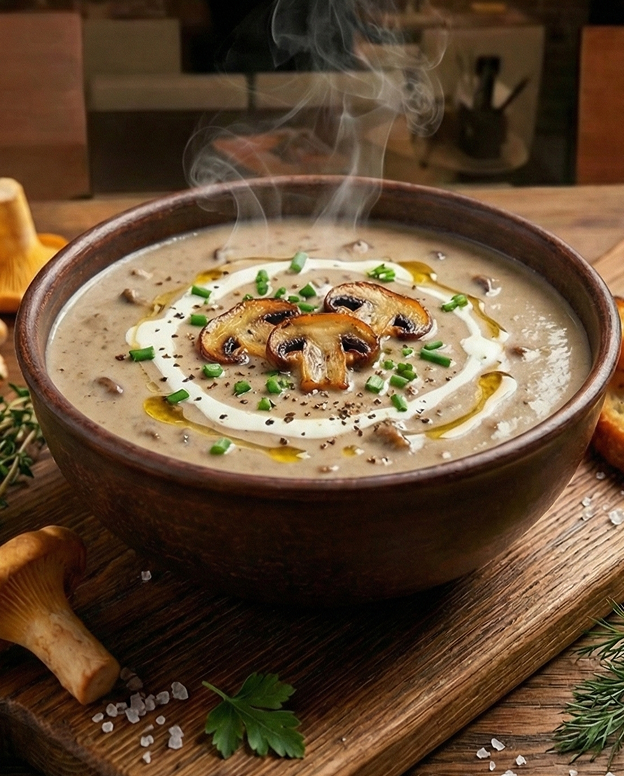
Все изображения показаны крупно и без кропа. Здесь важны не только блюда, но и тарелка, фактура, интерьерный фон и ощущение горячей подачи.
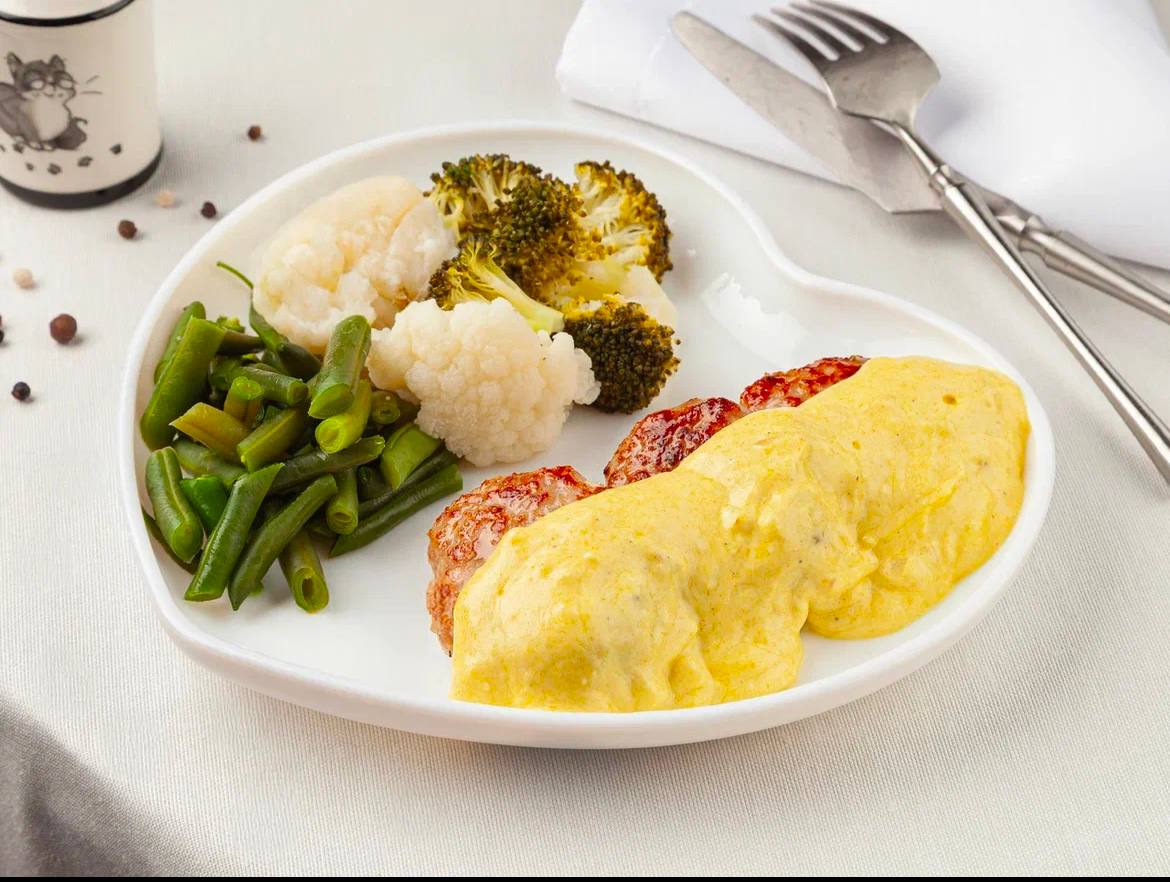
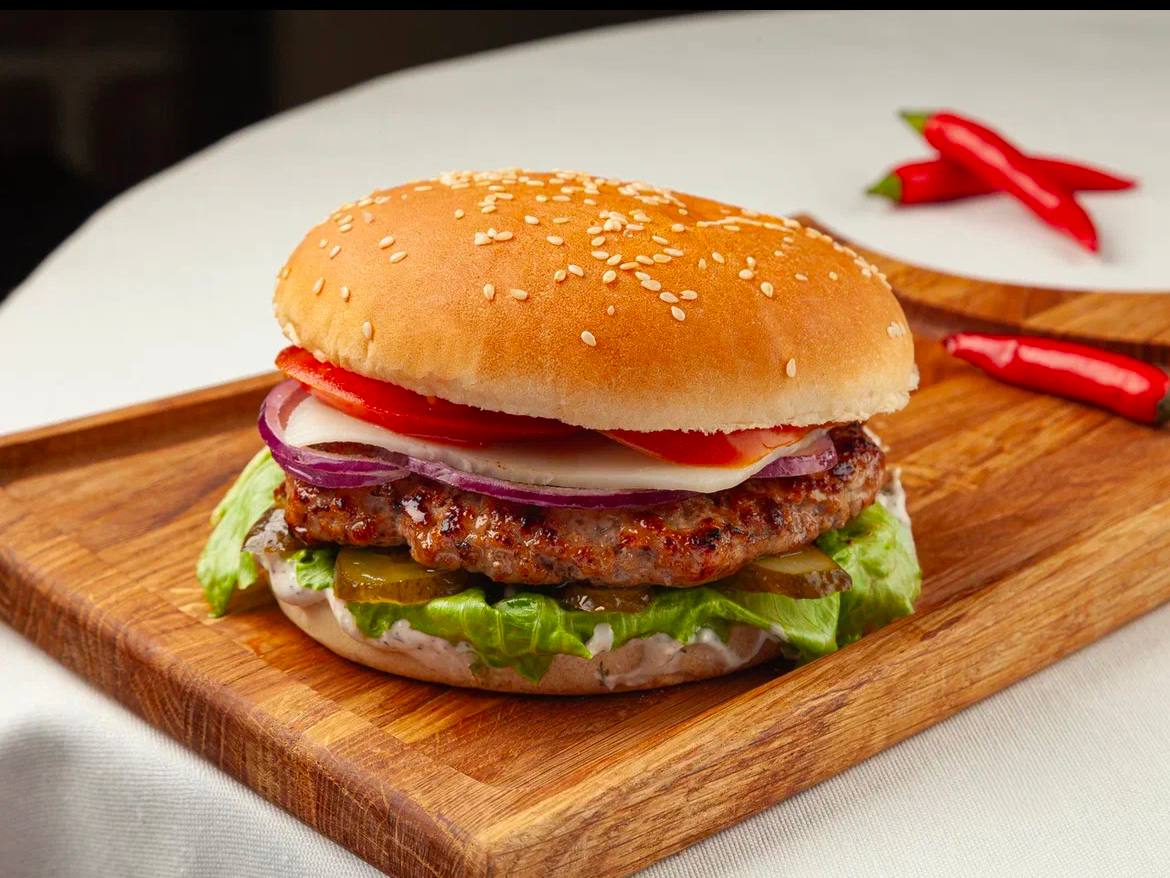
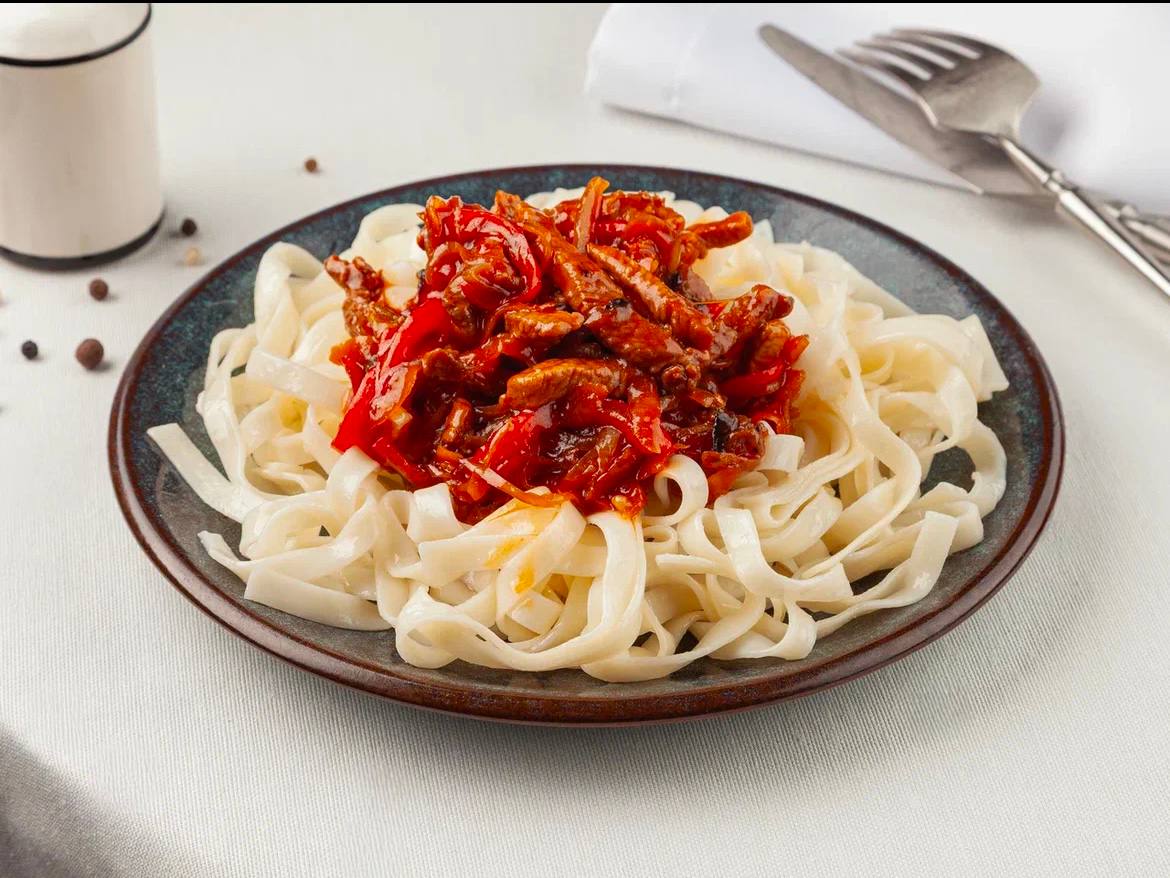
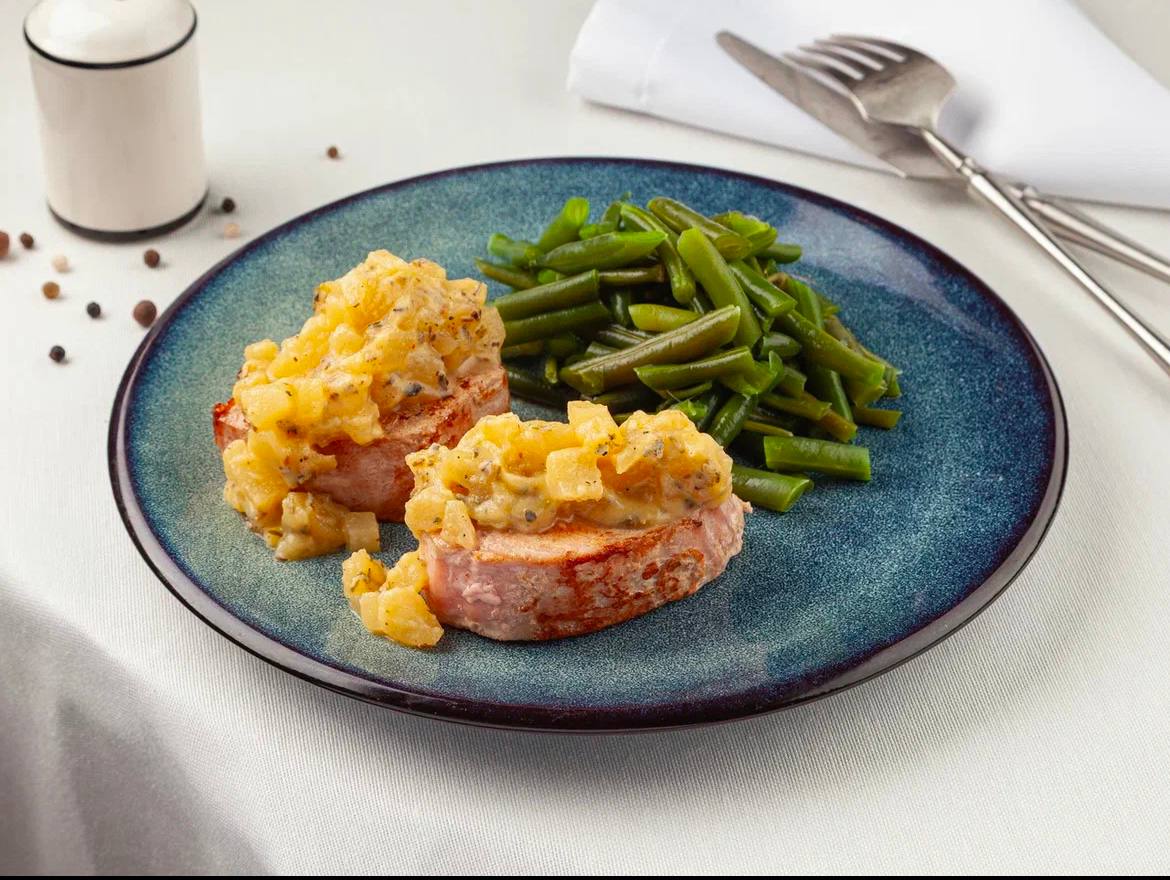
Исходники: честно, но слабо
Исходные фото показывали реальные блюда и логику сервировки, но не помогали ресторану выглядеть премиально: плоский свет, светлый стол, слабая атмосфера и почти нет аппетита.
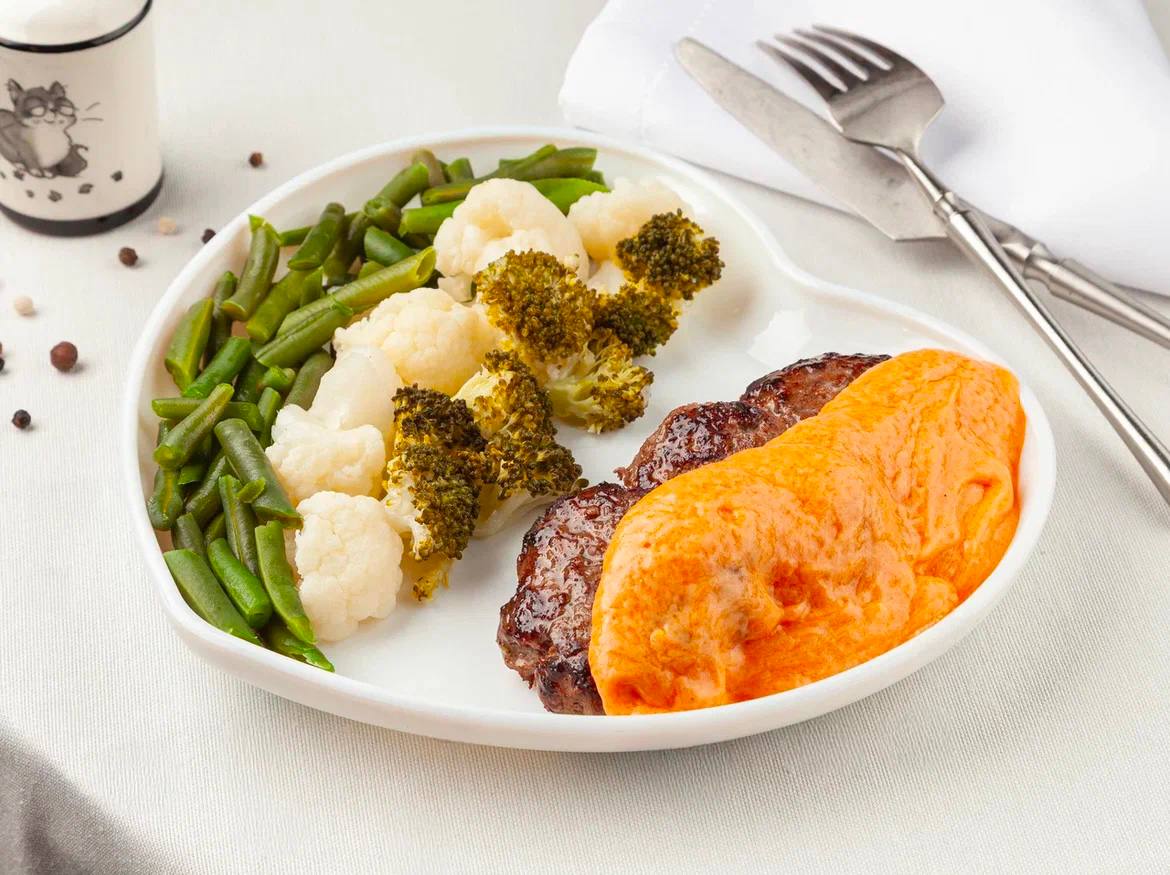
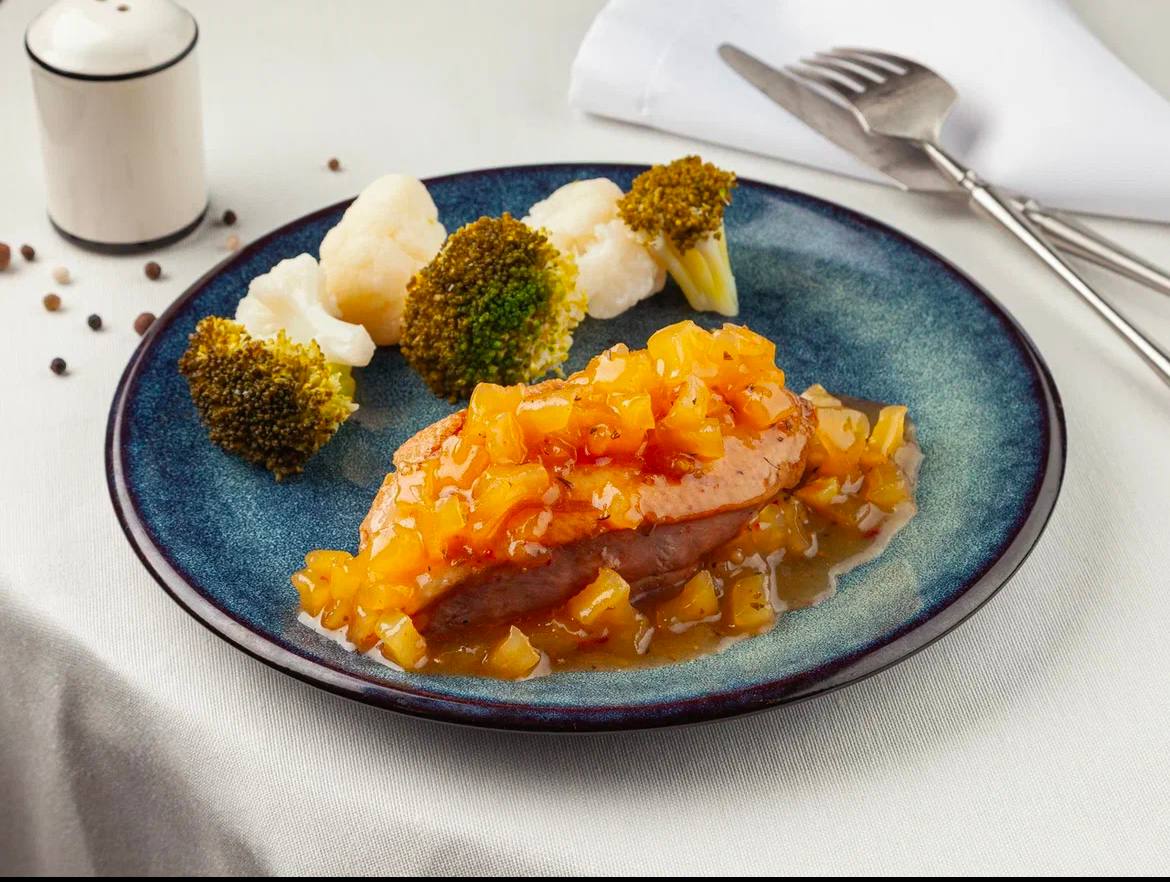
Красиво, но недостаточно точно
Первый direction получился дорогим и красивым, но для меню этого мало. Фото должно не только продавать аппетит, но и честно совпадать с блюдом, которое гость получит в ресторане.
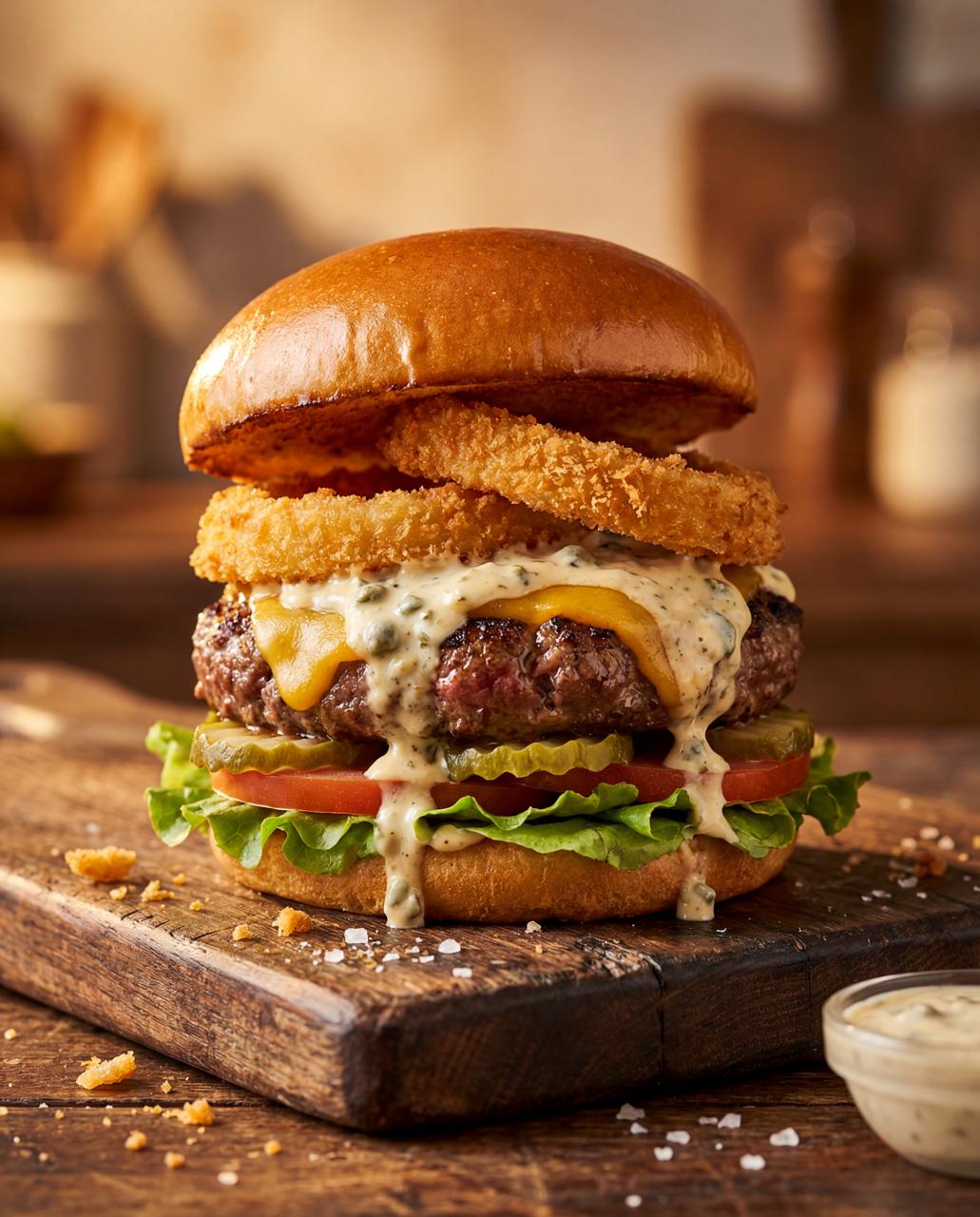
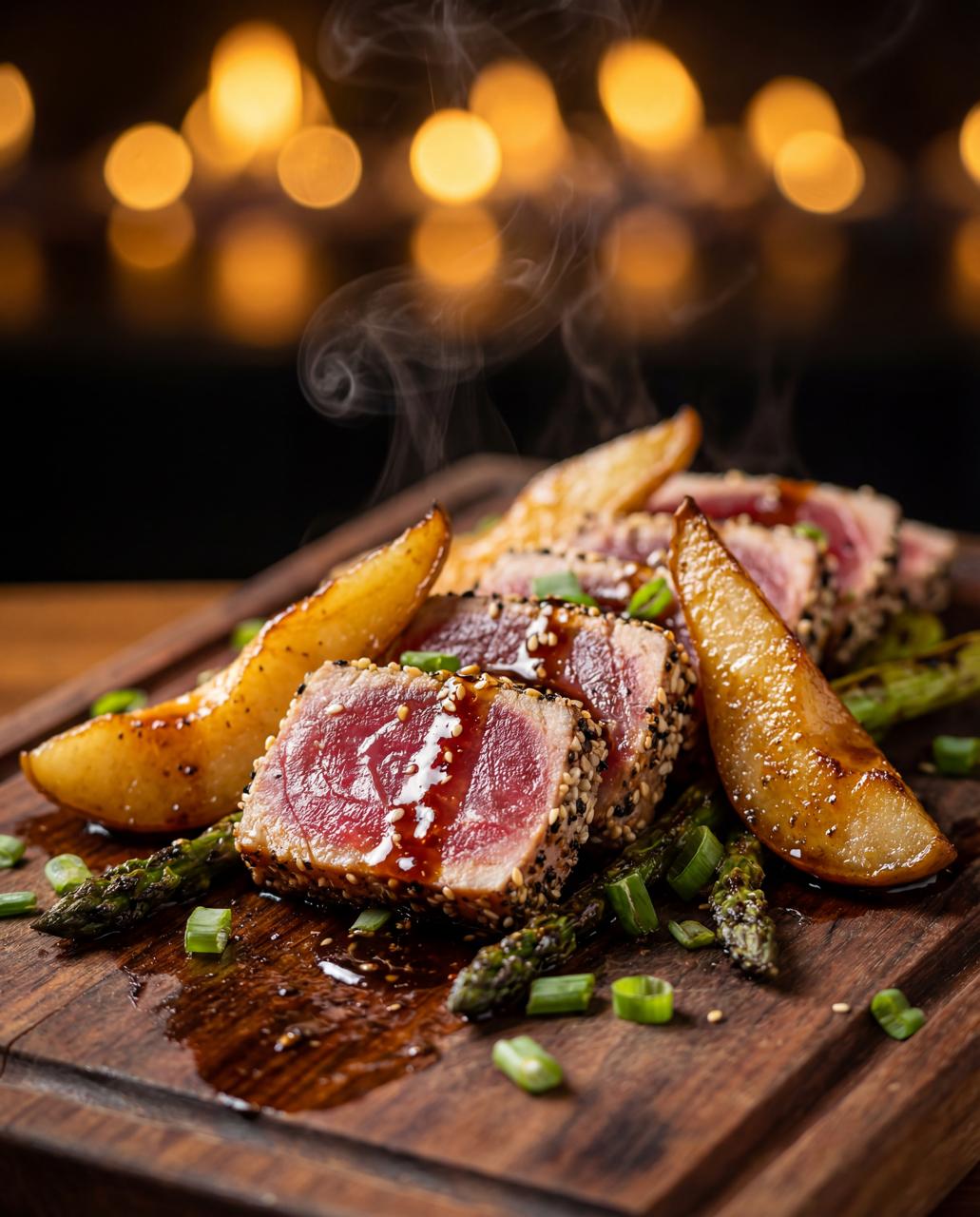
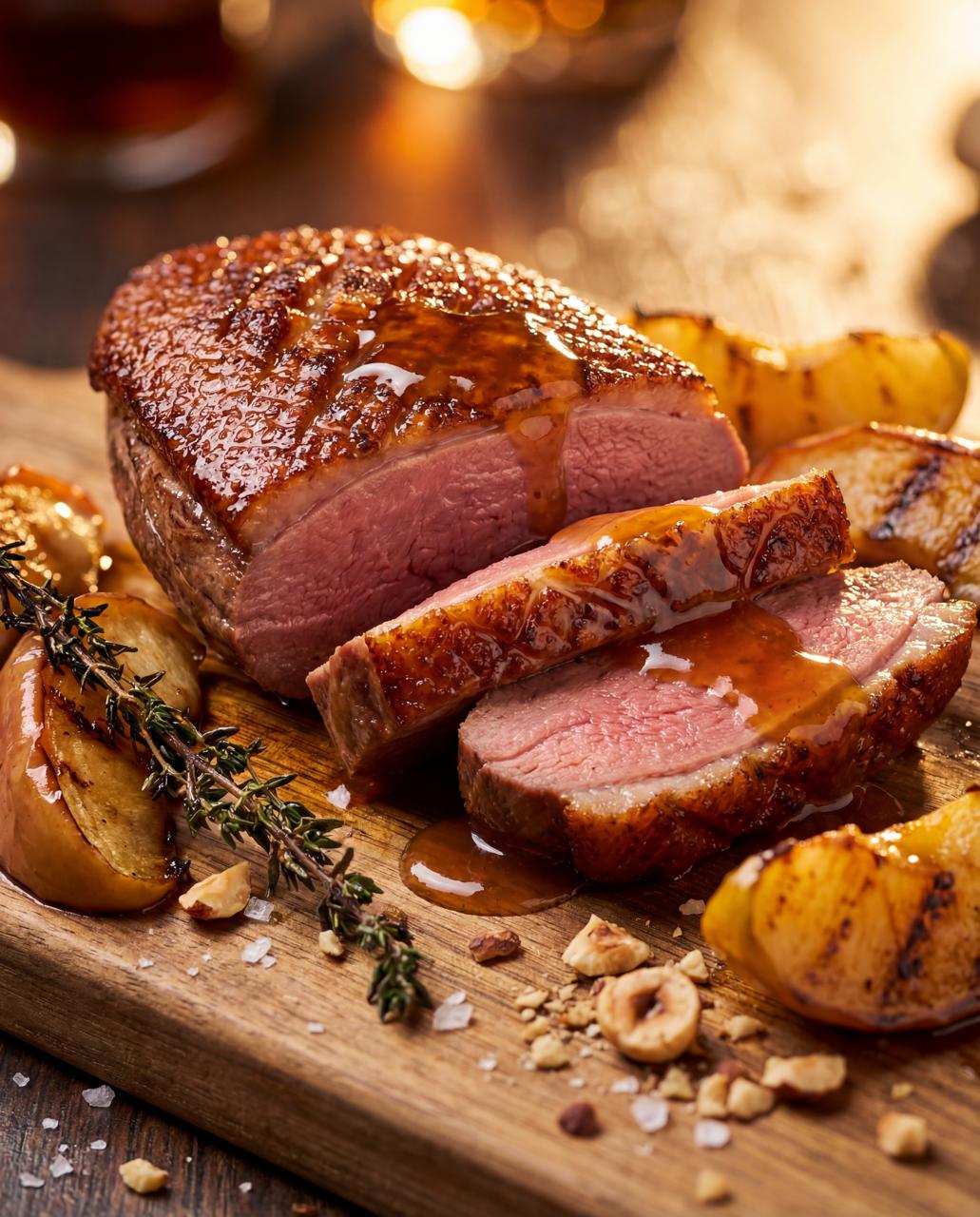
Премиальные кадры меню
Основные блюда задают уровень всей меню-серии.
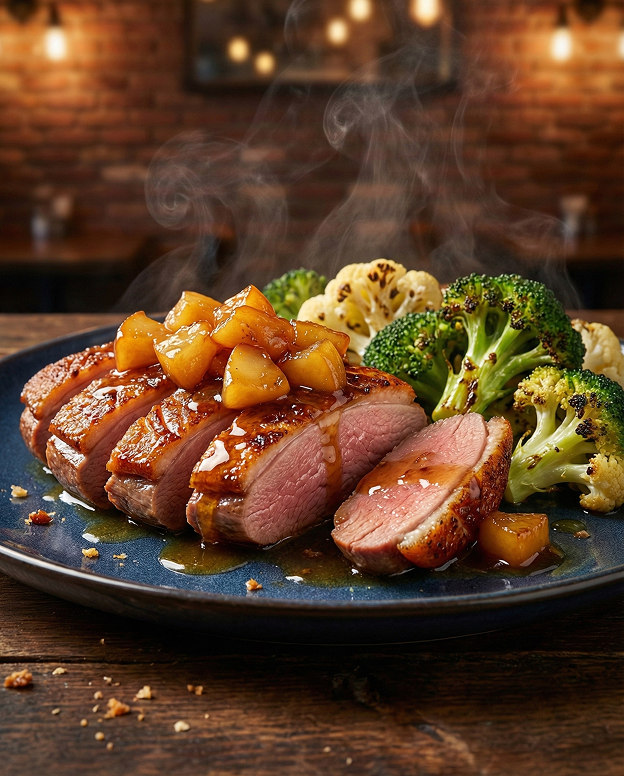
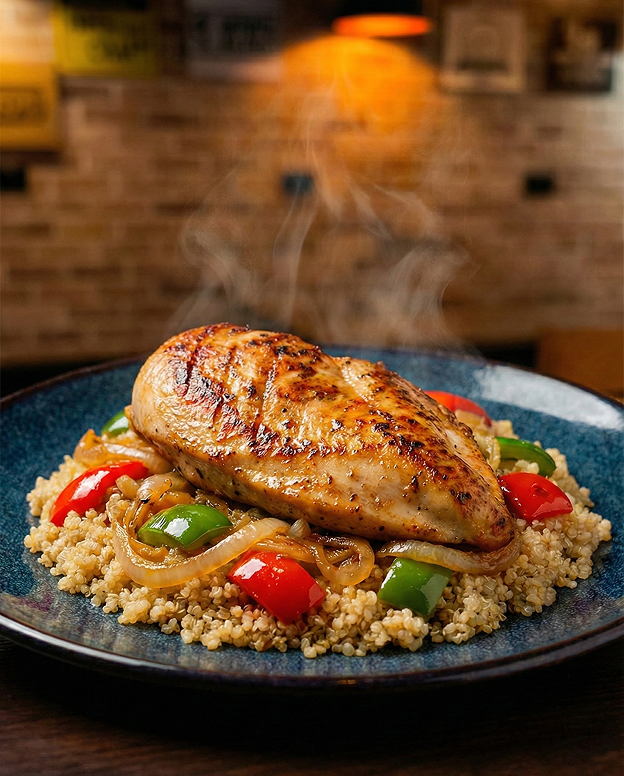
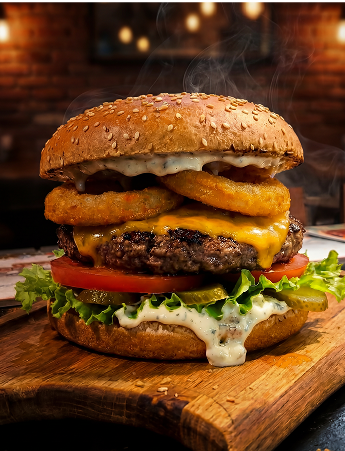
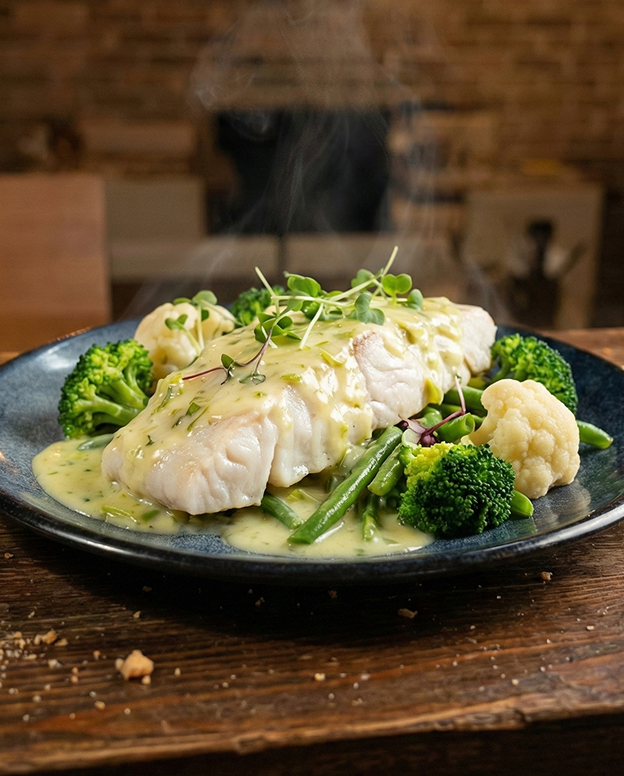
Горячее, текстура, ресторанный свет
В середине серии сохраняется одно помещение, логика тарелок, тепло и аппетитность.
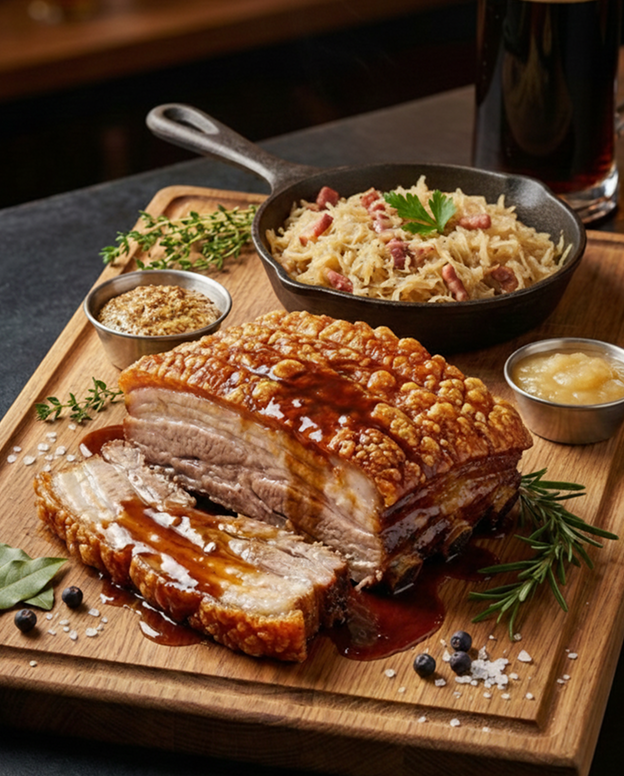
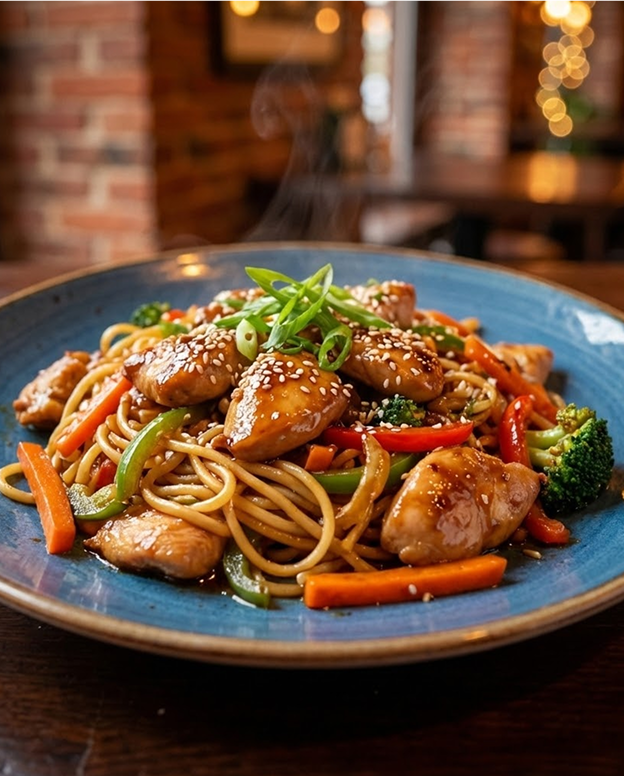
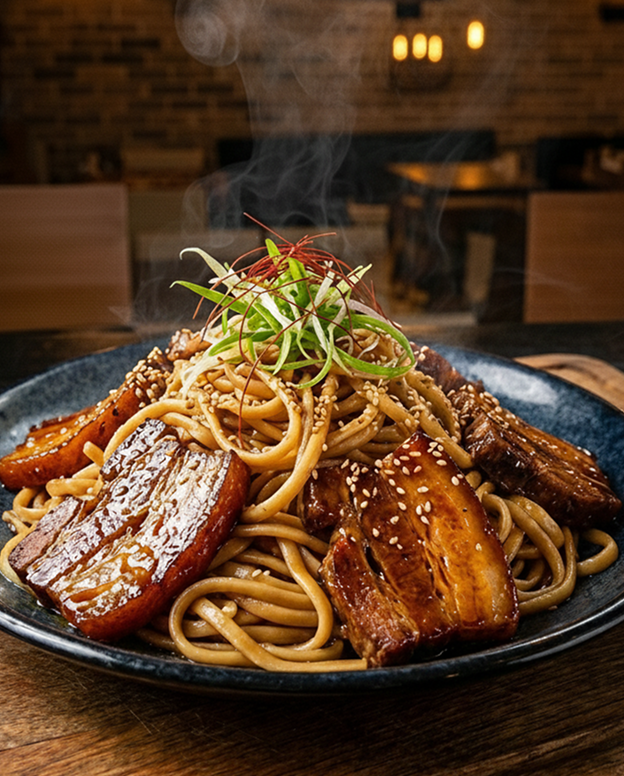
Полная меню-серия
Все изображения показаны без кропа: важны тарелка, фон, фактура еды и ощущение горячего блюда.
ПРОЦЕСС
От слабых фото к меню-серии
Задача была не в том, чтобы сделать случайные красивые картинки еды. Нужно было превратить слабый материал в рабочую ресторанную визуальную систему.
- 01Разбор исходниковЯ смотрела, где фото теряют аппетитность: свет, фон, цвет, плоскость блюда, ощущение температуры и отсутствие ресторанной сцены.
- 02Визуальный кодЗафиксировала, каким должен быть ресторан: теплый интерьер, темная посуда, крупная фактура еды, пар, соус, аккуратная подача.
- 03AI-пересборкаС помощью AI усилила блюда и контекст, сохранив понятность еды и сделав кадры пригодными для меню и бренда.17готовых кадров0новых съемочных дней
- 04ОтборУбрала кадры, где еда выглядела искусственно, слишком глянцево или расходилась с премиальным ресторанным тоном.
- 05СистемаФинальный набор можно использовать как меню, сайт, баннеры, карточки блюд и материал для ресторанного предложения.
РЕЗУЛЬТАТФуд-серия, которая продает ресторанный уровеньРесторан получил набор кадров, который поддерживает премиальное меню и делает блюда теплее, дороже и желаннее.
ВЫХОД
Еда выглядит дороже
- 01Премиальное восприятие едыБлюда стали выглядеть дороже, теплее и ближе к позиционированию ресторана.
- 02Единый ресторанный мирКадры держат одну интерьерную атмосферу, а не выглядят как разрозненные фотографии блюд.
- 03Материал для каналовСерию можно использовать в меню, на сайте, в соцсетях и коммерческой презентации.
- 04Понятное предложение для ресторановКейс показывает, как AI помогает ресторанам обновлять визуал, когда новая съемка слишком долгая или дорогая.
Нужно пересобрать фуд-фото?
Если у ресторана есть слабые фото блюд, их можно превратить в премиальную визуальную систему без новой большой съемки.
Написать в Telegram