HOP DOG / AI VISUAL DIRECTION

AIforanofflinebrand

A gastropub entrance, window, menu, and website were reworked through AI-assisted visual direction: more light, more intrigue, and a clearer promise of what waits inside.

AI
visual concept direction
3
offline surfaces
12
reference signals structured
WEB
Tilda site cleanup

CONTEXT

Hidden inside. Quiet outside.

  1. 01The entrance was easy to missThe gastropub sits below street level, so the outside had to work harder than a regular sign.
  2. 02The strongest asset was invisibleBeer tanks, fresh beer, and the brewery atmosphere were only understandable after someone had already gone in.
  3. 03The street was visually noisyThe entrance had to stand out through restraint, light, premium rhythm, and curiosity instead of louder signage.
  4. 04The website needed repairThe old Tilda site had readability issues, outdated design decisions, and technical debt.

APPROACH

Make the outside promise what is inside.

01AI as a fast visual labAI was used to test atmosphere, lighting, matte glass, tanks, posters, and facade logic before turning the direction into a practical storefront concept.
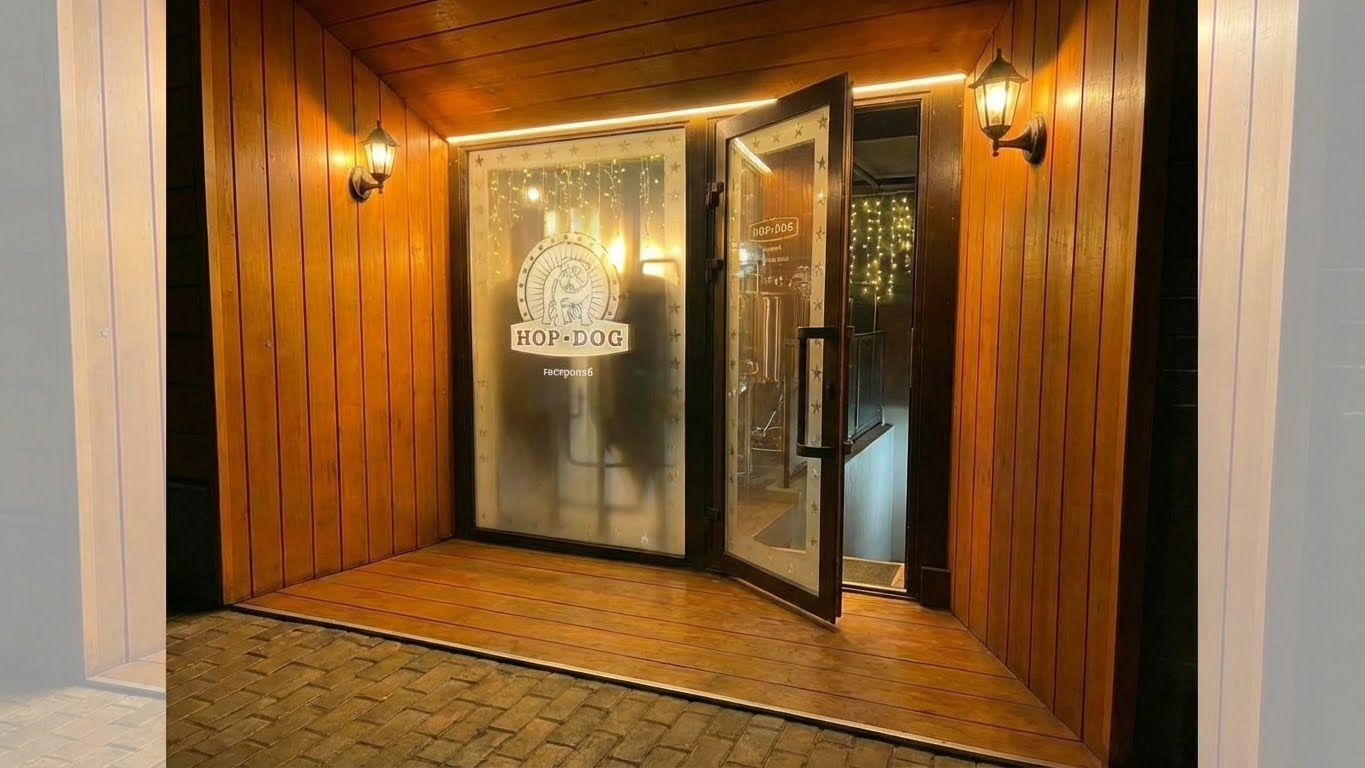
02Intrigue instead of a loud signThe facade concept uses warm light, partial opacity, silhouettes of beer tanks, and framed windows so people want to look closer and go downstairs.
03Digital surface aligned with placeThe website was cleaned up so the online experience matched the gastropub: readable, warmer, less broken, and closer to the actual atmosphere.

VISUAL AI PROOF

From a quiet basement door to a visible gastropub story

The case is visual-first: real location photos, reference signals, AI exterior concepts, AI menu atmosphere, and the repaired Tilda site are all kept large and uncropped.

Before: the place had value, but the entrance did not tell it

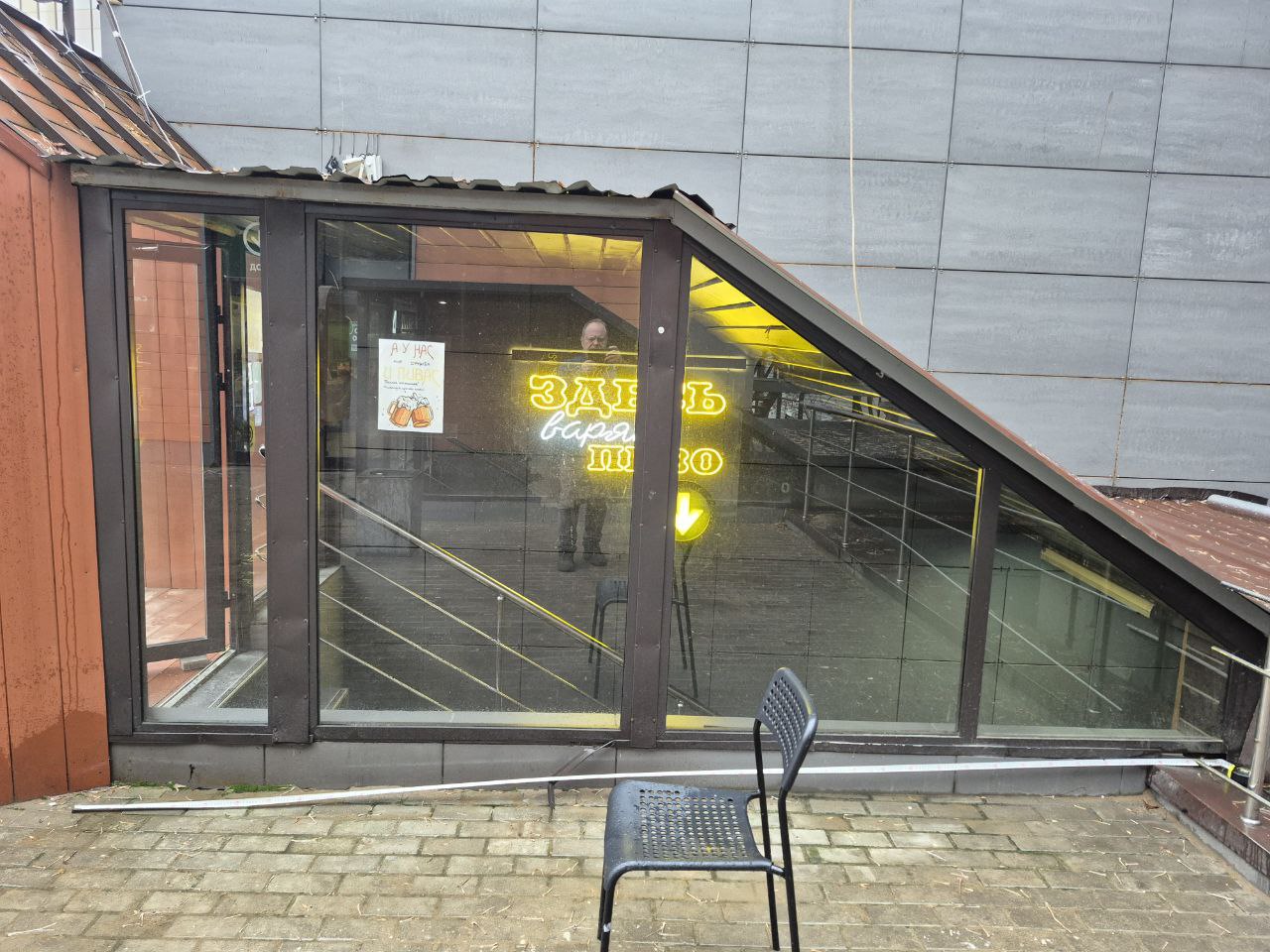
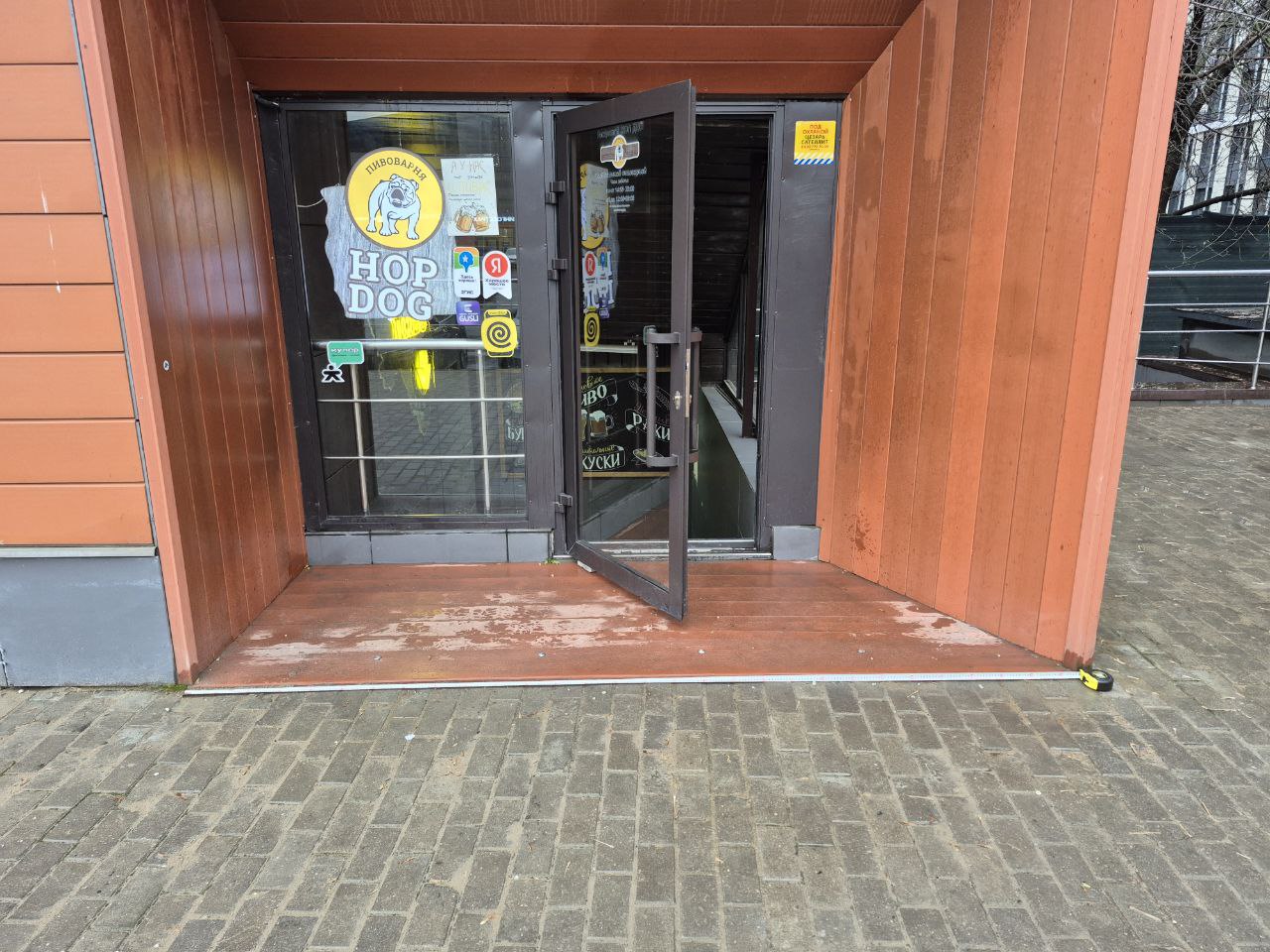
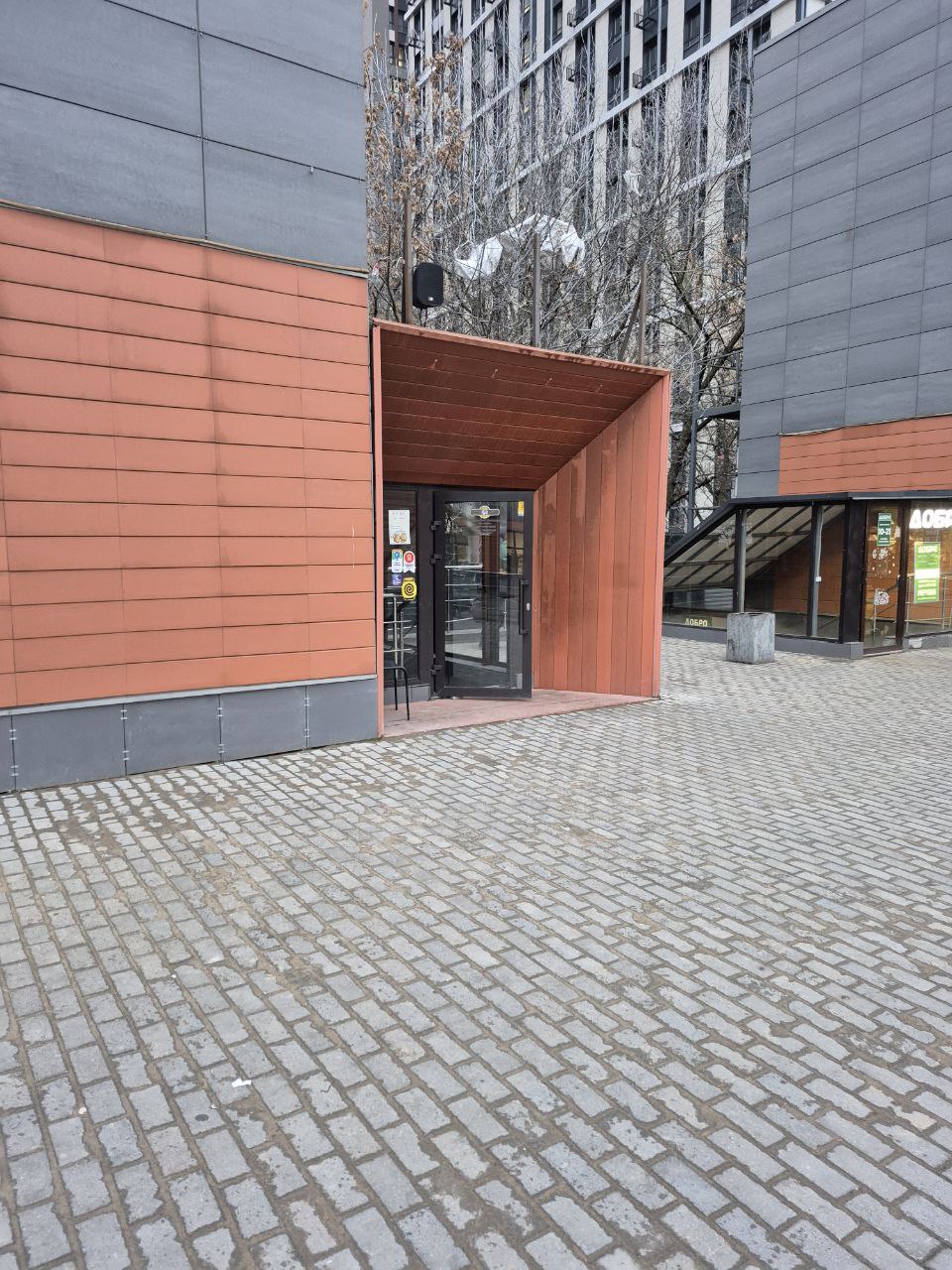
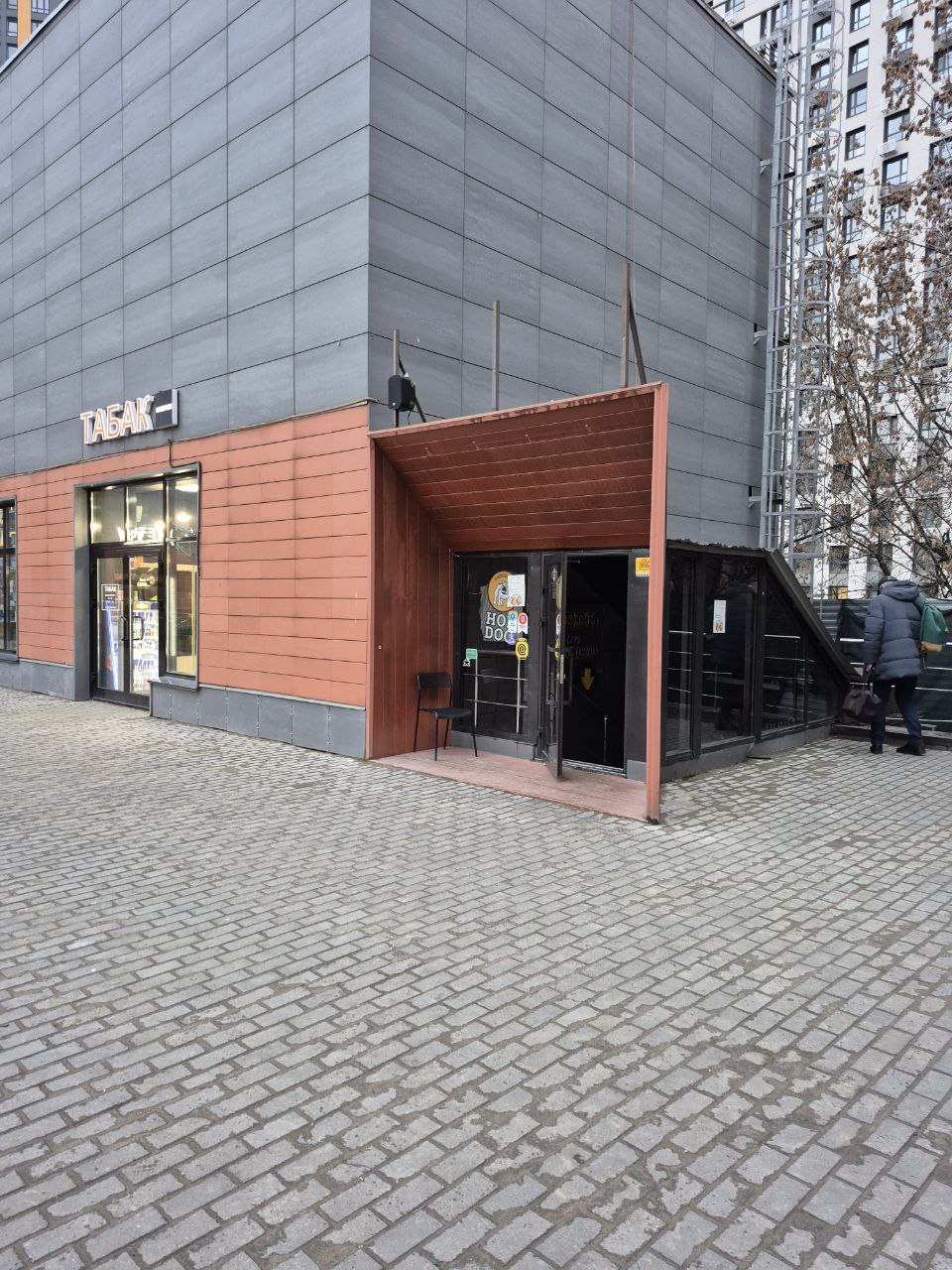
The source material showed a real problem: the gastropub had a rich interior promise, but the street-level entrance was too quiet and fragmented.

Hop Dog side window before redesign
Side window beforeA staircase window with potential, but without a strong visual promise from the street.
Hop Dog entrance before redesign
Entrance beforeThe door carried many small signals, but not one clear atmosphere or invitation.
Hop Dog street entrance before redesign
Street distanceFrom afar the entrance almost disappears into the building rhythm.
Hop Dog facade corner before redesign
Corner conditionThe side surface could become a visual hook, not just a technical stair enclosure.

Reference signals converted into design criteria

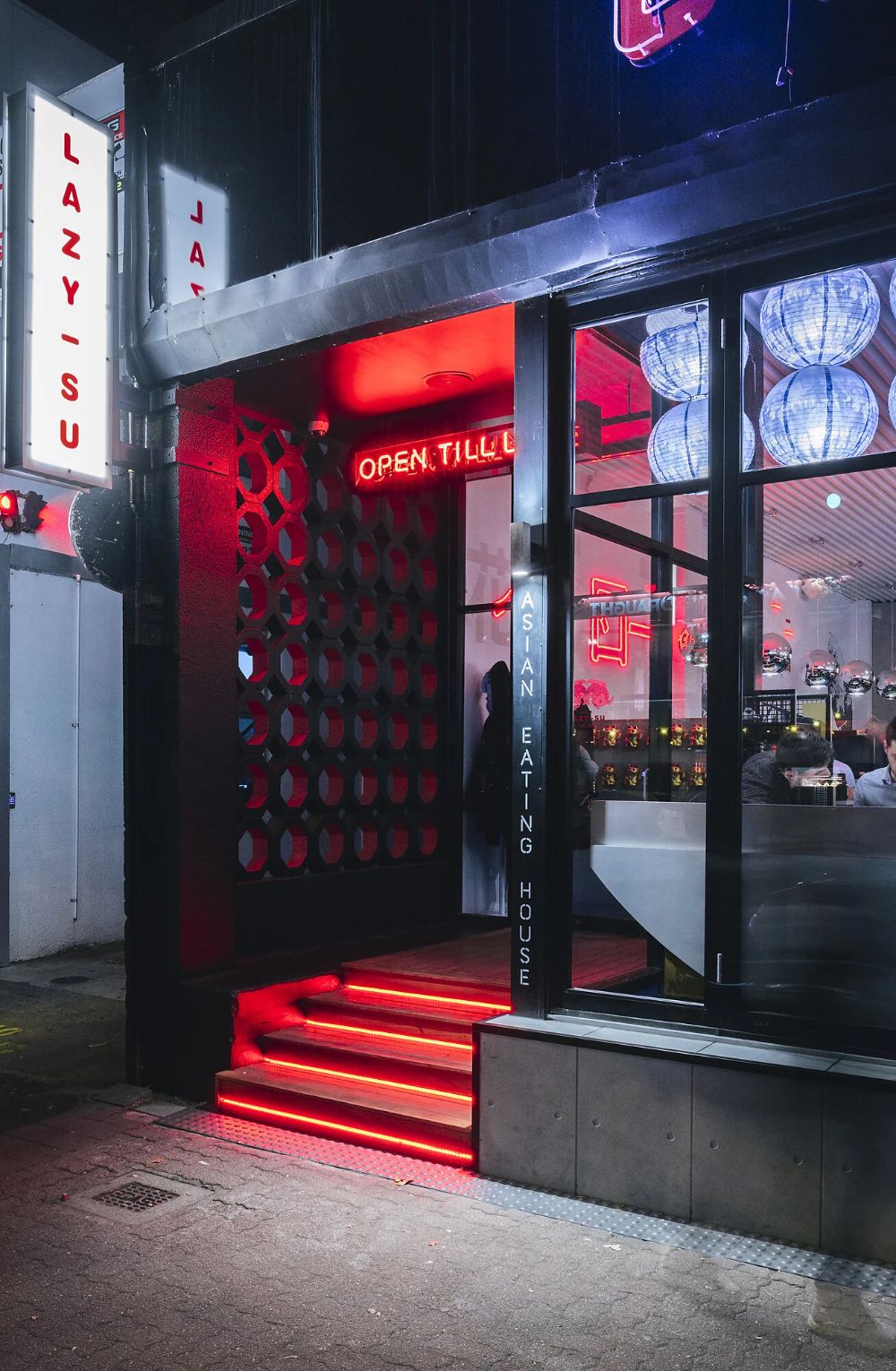
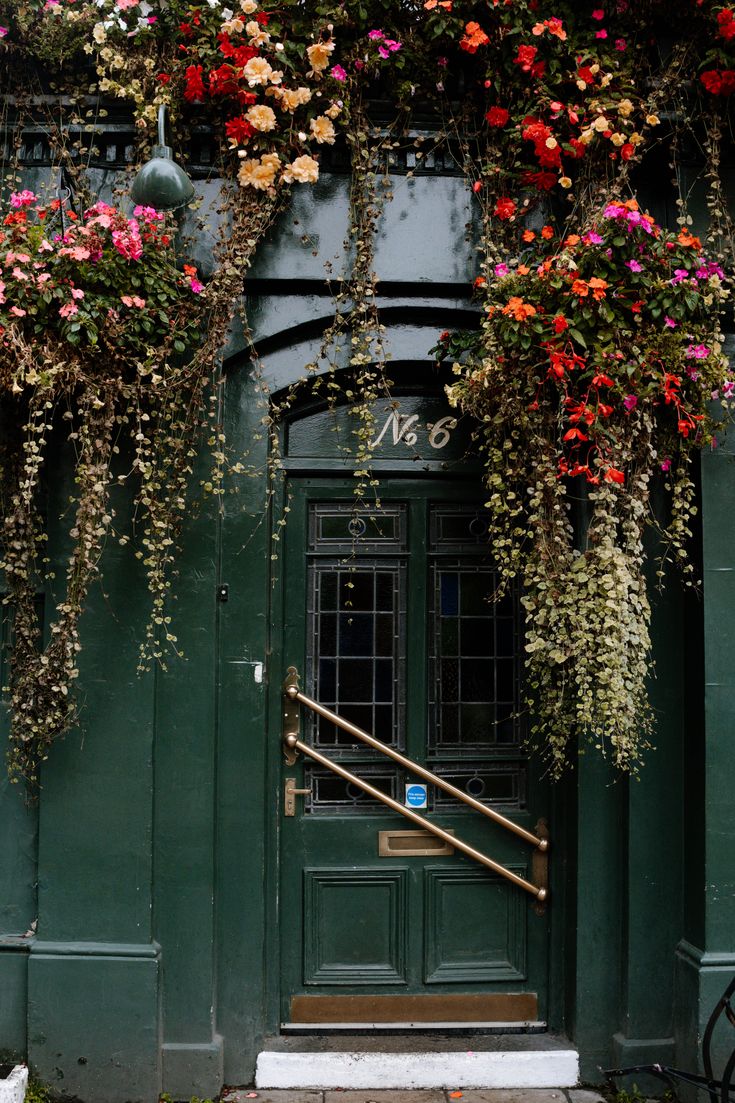
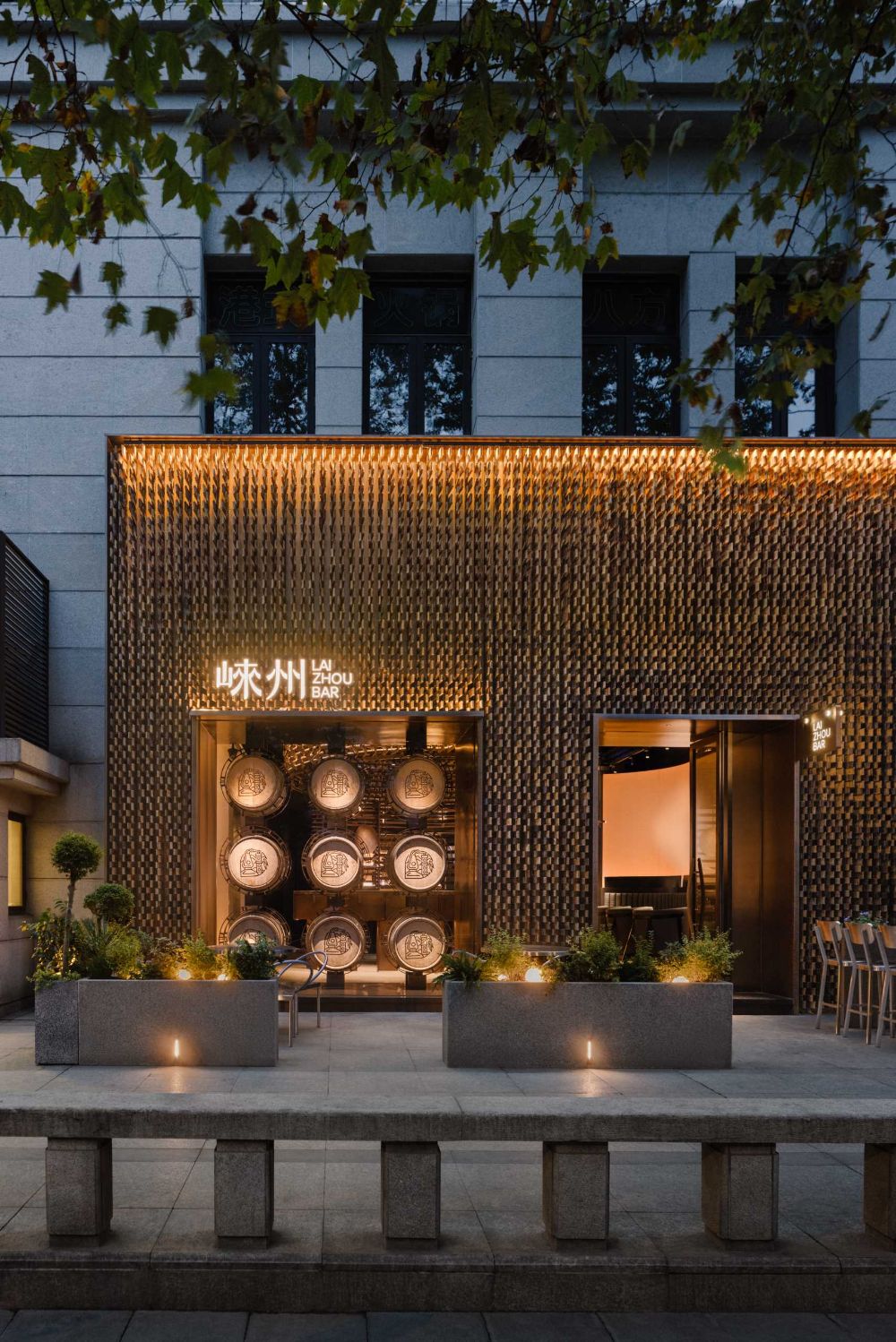
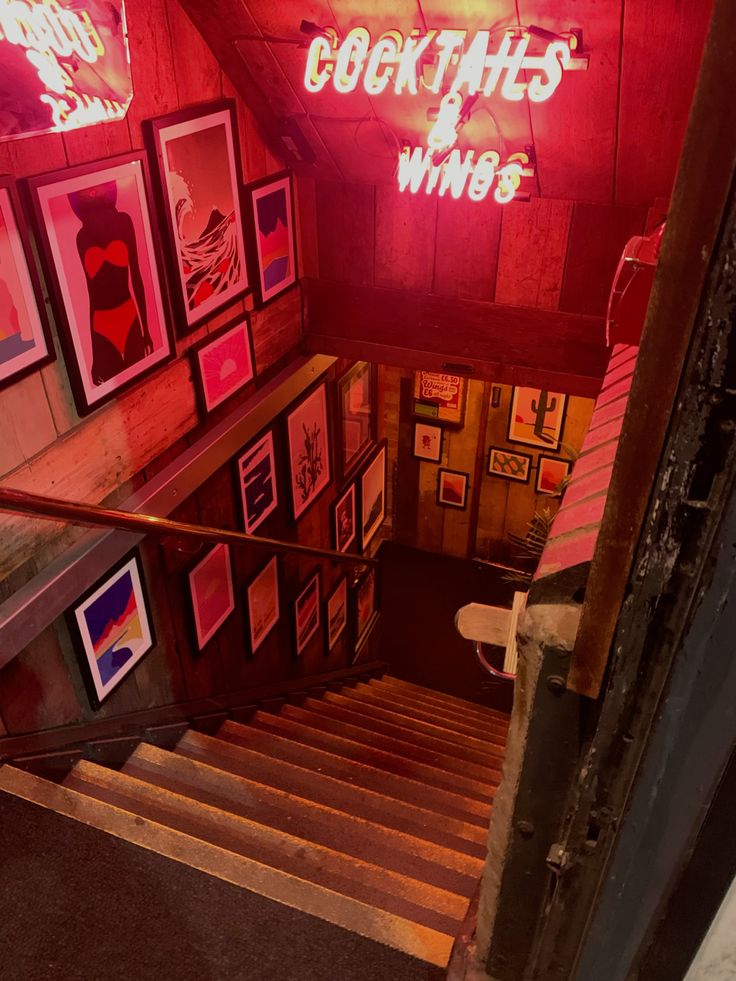
References were not moodboard decoration. They became criteria: matte glass, warm vertical light, stair invitation, poster mood, and premium restraint without a classic sign.

Dark stair frame visual reference
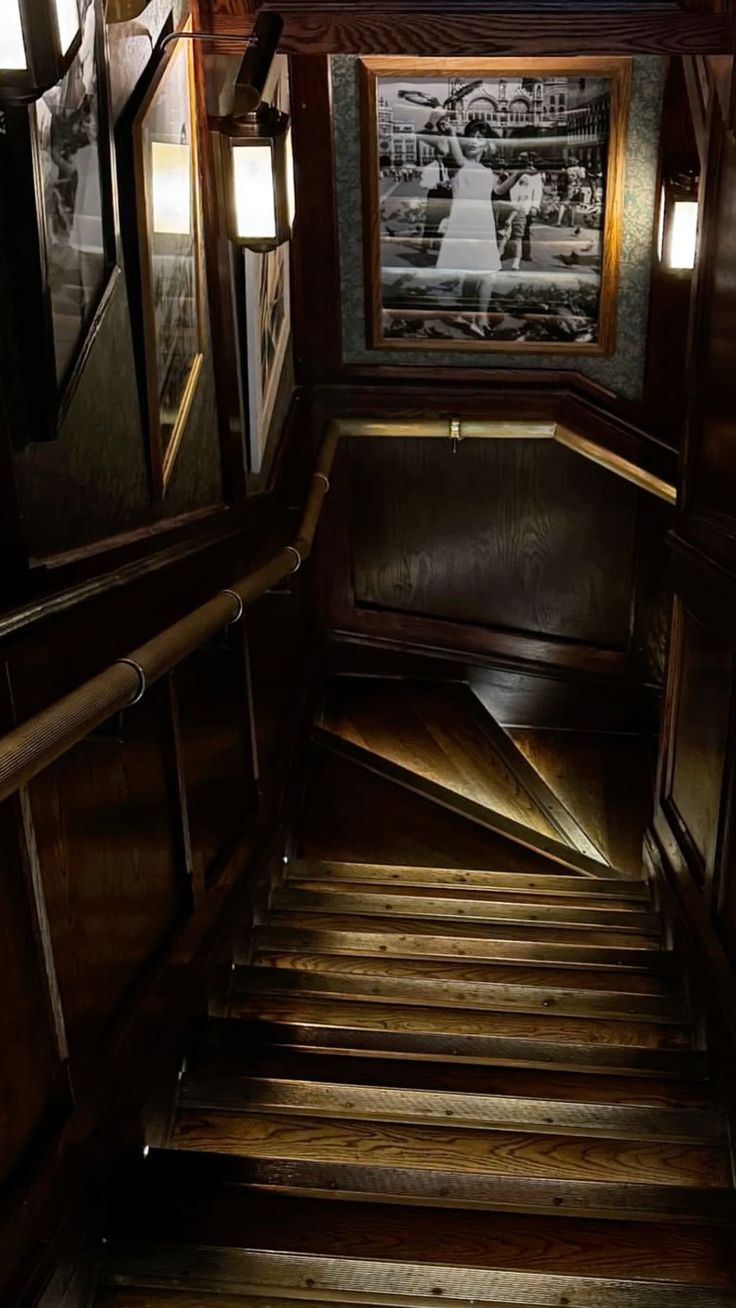
Stair framesInteresting frames along the descent make the path feel intentional.
Brewery facade light reference
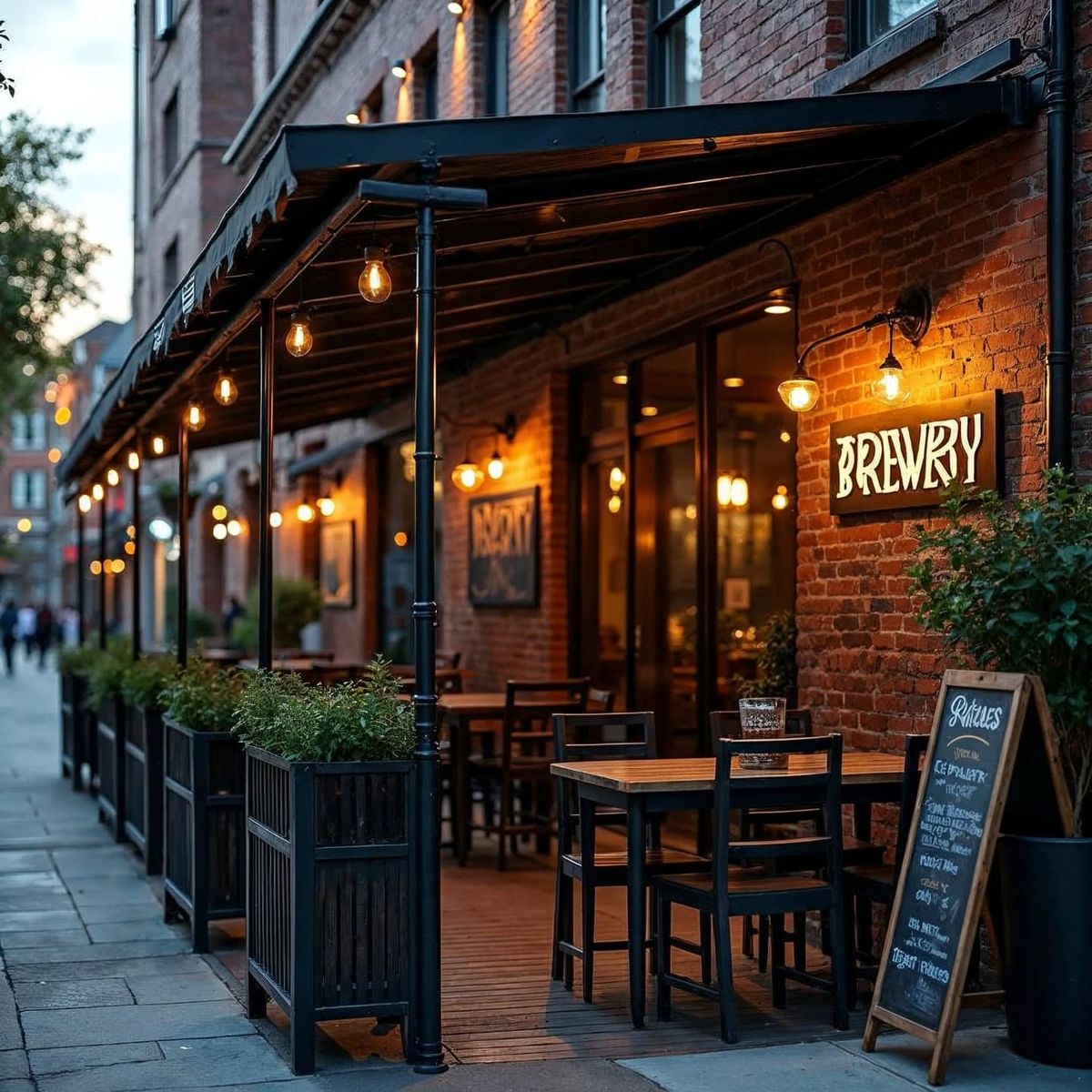
Loft facade lightWarm exterior lights create an evening signal without making the facade noisy.
Warm stair lighting reference
Stair invitationLight on the stairs turns the descent into part of the experience.
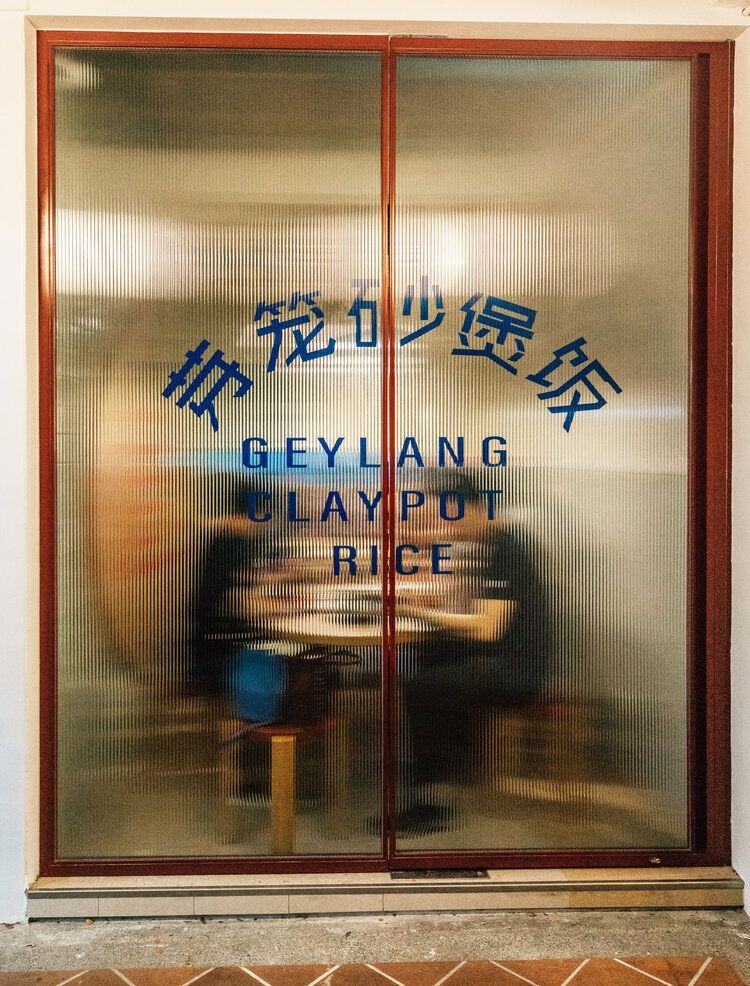
Matte glass curiosity reference
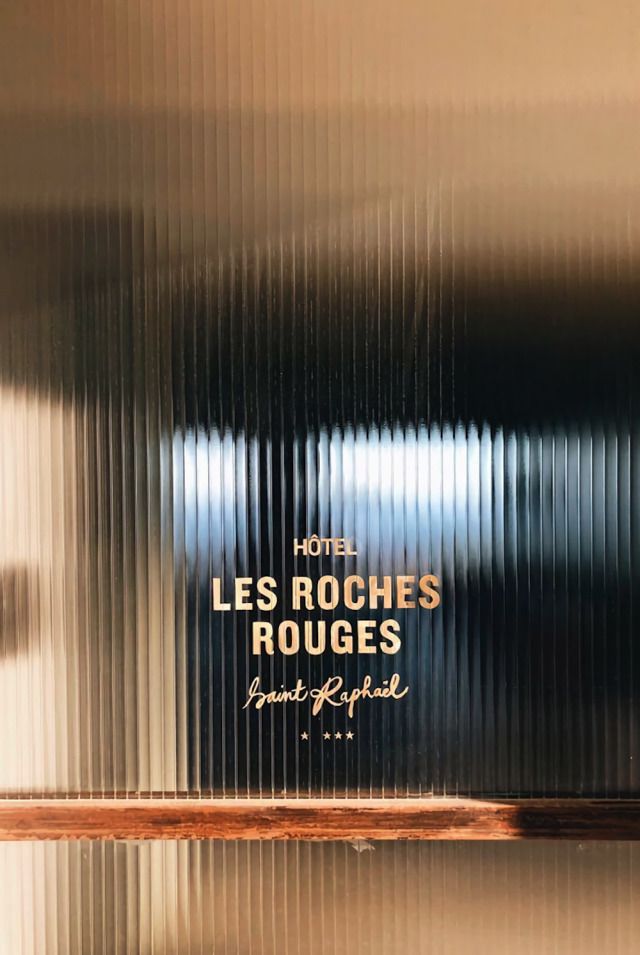
Matte glass curiosityPartial opacity hides enough to make people want to look closer.
Matte glass door reference
Second matte glass cueA softer privacy layer can still stay warm and atmospheric.
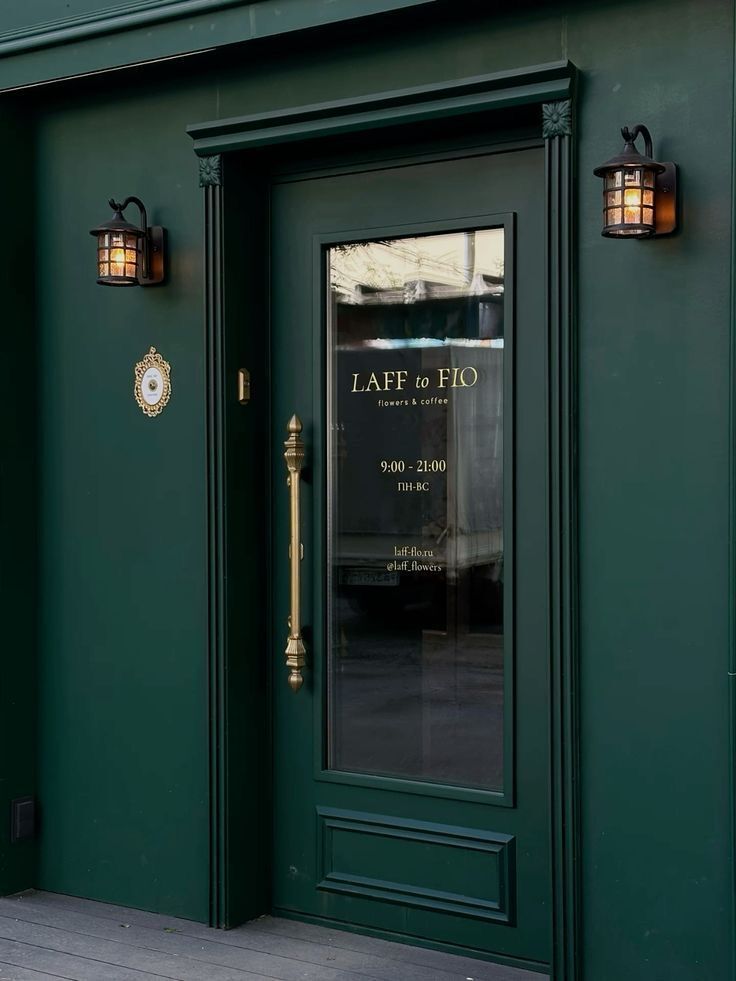
Minimal signless entrance reference
Signless restraintA simple entrance can attract attention precisely because it is not shouting.
Signless facade attention reference
No sign, still visibleLighting and proportion can replace the usual oversized signage.
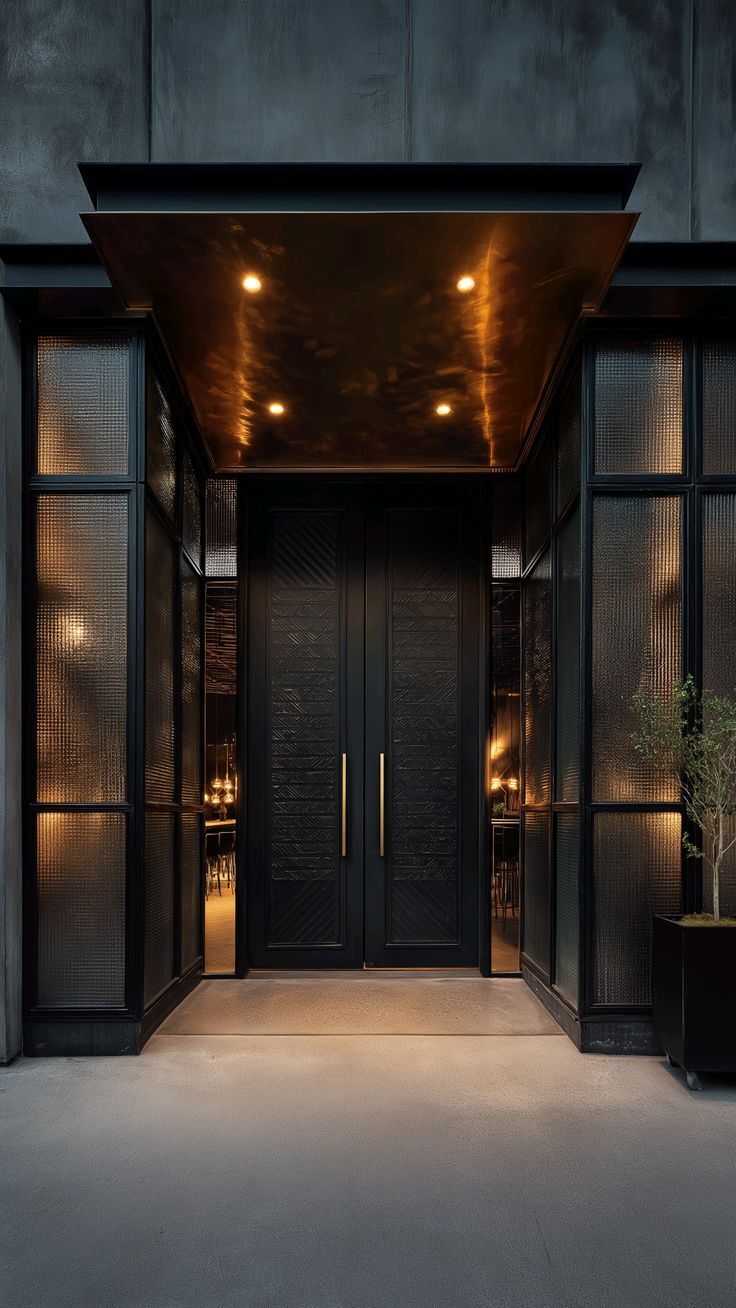
Partial matte glass reference
Partial glass revealA fragmentary view makes the inside feel more desirable.
Stair lighting invitation reference
Lit descentThe staircase becomes an invitation, not an obstacle.
Hanging vertical objects reference
Vertical objectsHanging elements create depth and a visible vertical rhythm.
Vertical light rhythm reference
Light verticalsSmall repeated lights give the facade an immediate night-time signature.
Poster mood reference
Poster moodPosters can hint at the world inside before the guest opens the door.

AI concept: light, tanks, matte glass, and a reason to look inside

AI helped assemble the direction quickly: tanks visible behind glass, warm bulbs, branded frames, stair light, and a more premium gastropub mood.

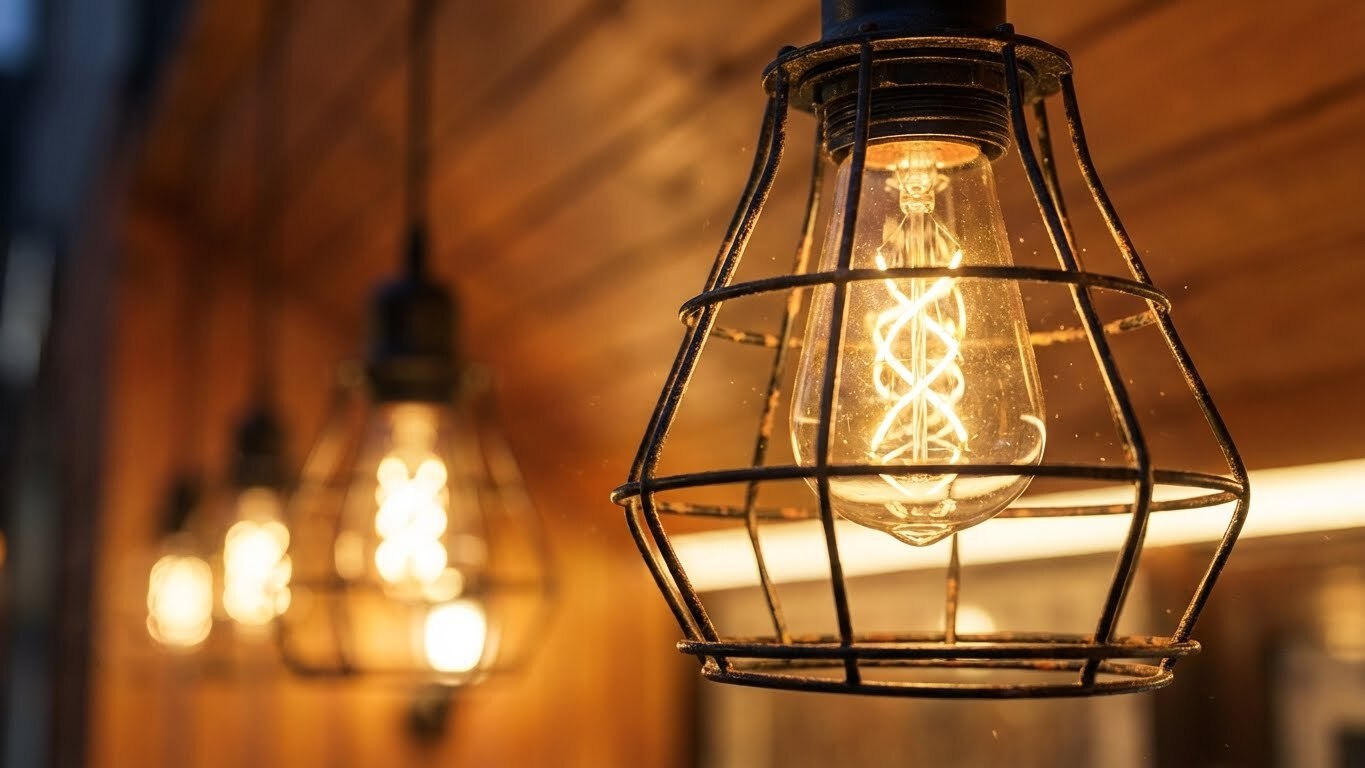
Hop Dog warm loft light close-up
AI light atmosphereWarm loft lighting became the visual anchor for the entrance mood.
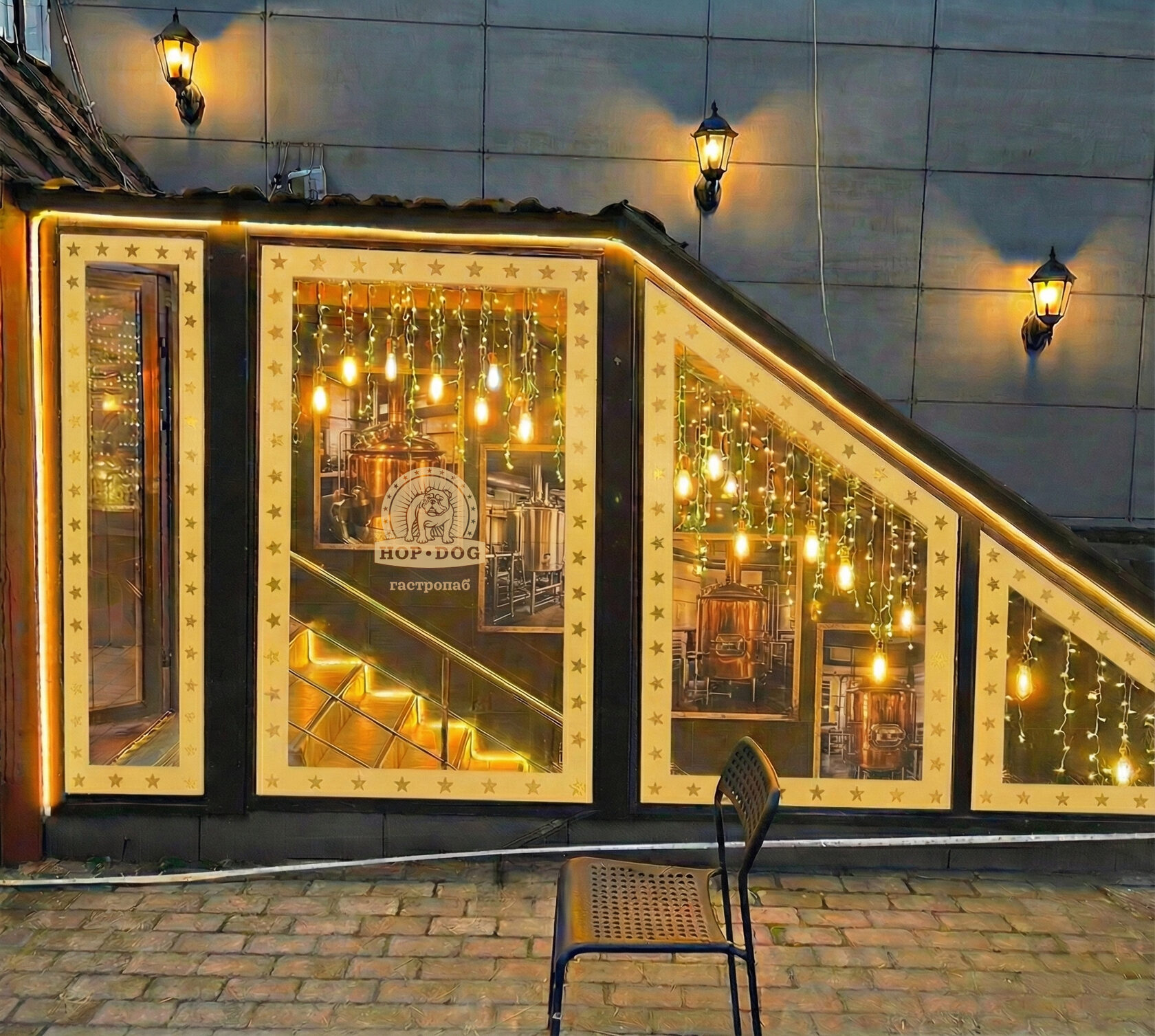
AI facade concept with beer tanks and warm lights
Side facade conceptThe staircase window becomes a glowing preview of the brewery inside.
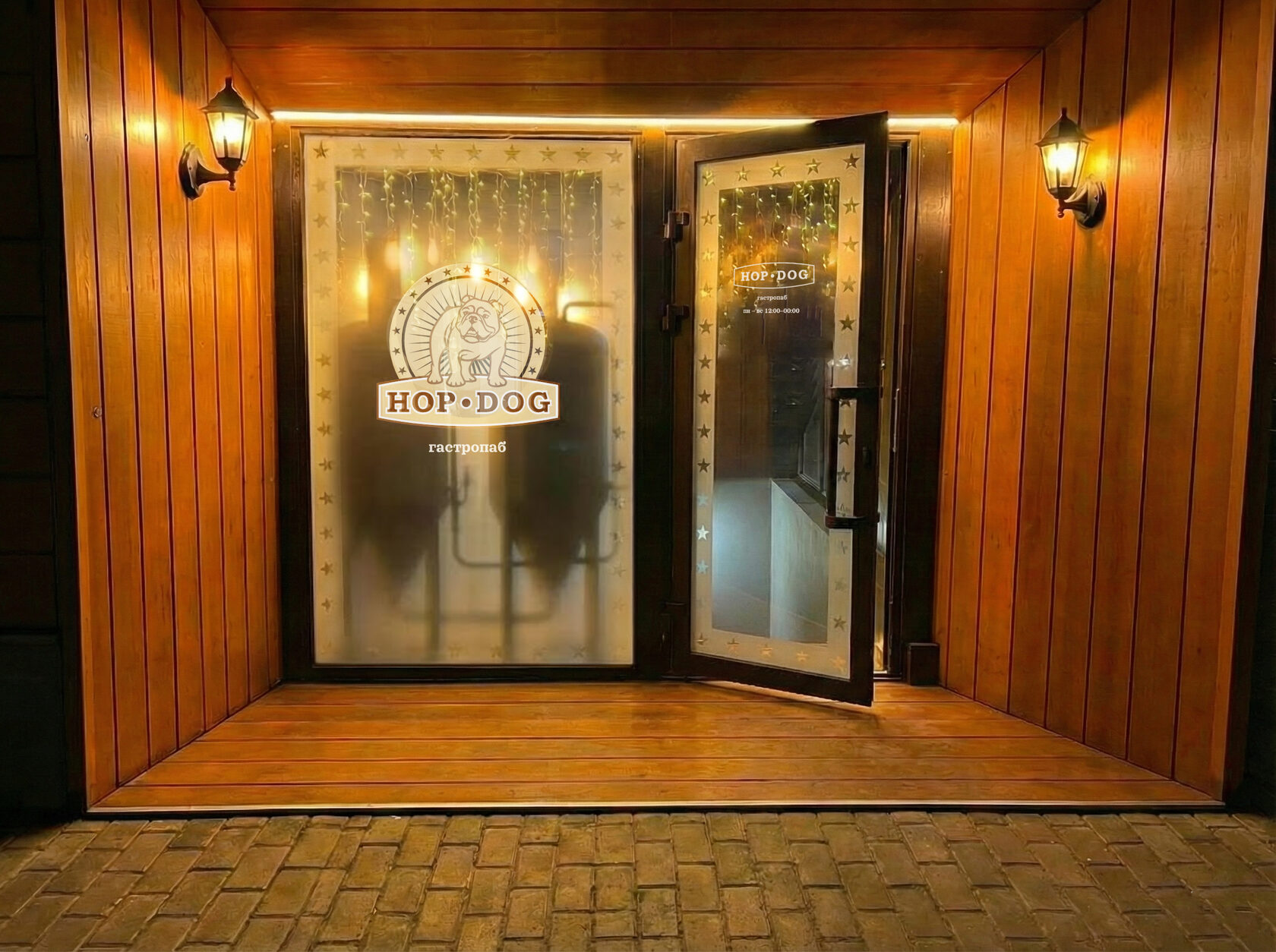
AI entrance concept with matte glass and Hop Dog logo
Door and matte glass conceptMatte film, a monochrome logo, and partial silhouettes create a clearer entrance story.
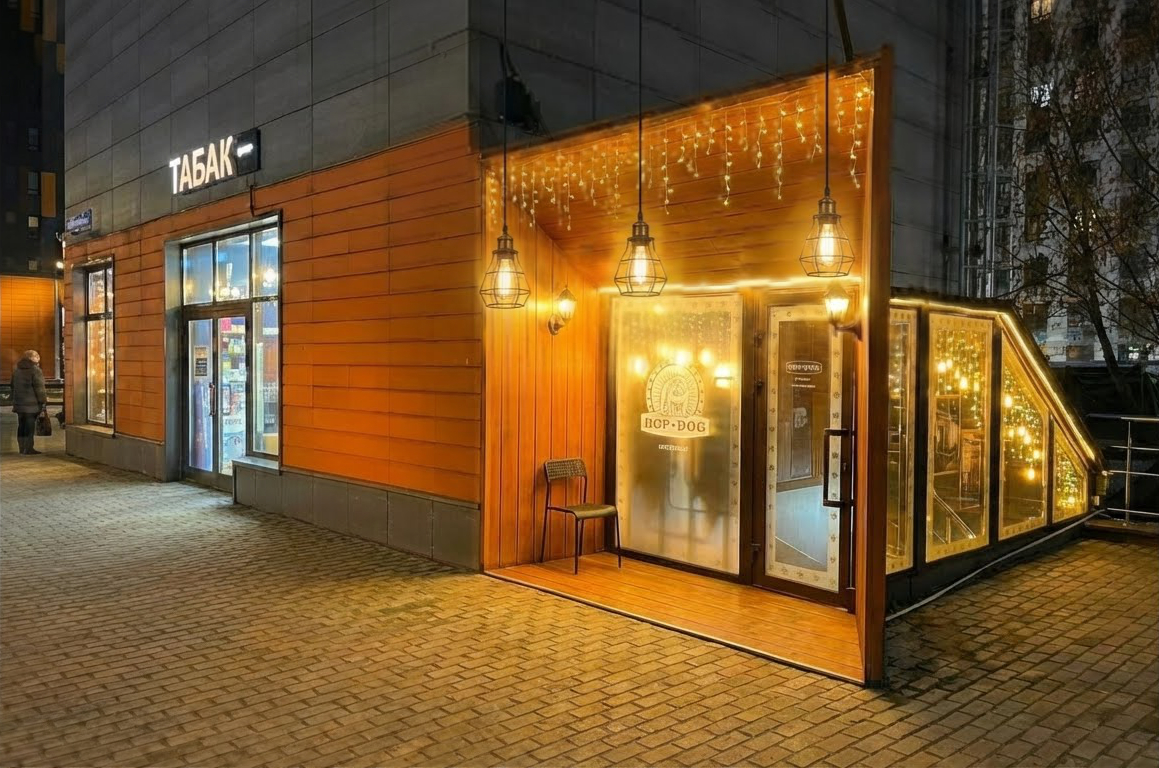
AI exterior concept showing the full glowing Hop Dog entrance
Full entrance glowThe whole corner works as one system: doorway, side glass, bulbs, frames, and stair lighting.
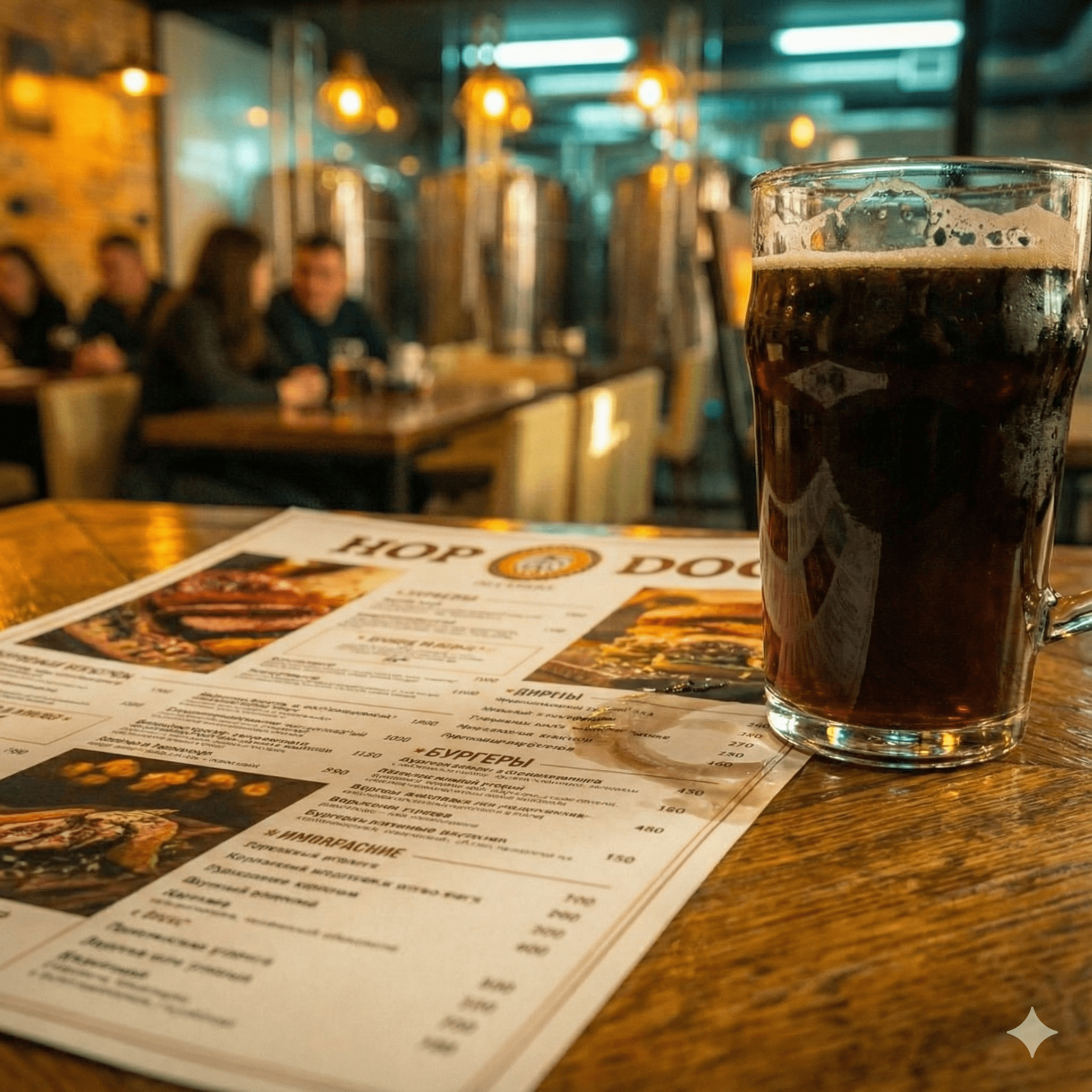
AI menu and beer atmosphere visual
AI menu atmosphereAI visuals helped connect beer, menu, tanks, and warm bar mood into one visual language.
AI generated Hop Dog menu interior visual
Menu interior visualA generated image shows how the menu surface could live inside the gastropub atmosphere.

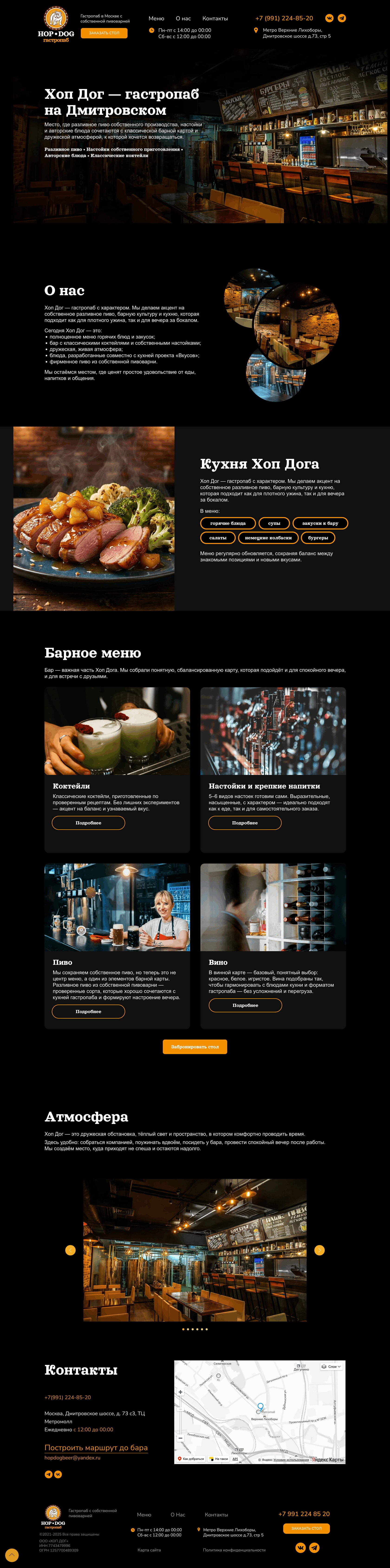
Website cleanup

The old Tilda site was repaired and visually aligned with the place: dark atmosphere, clearer sections, menu blocks, contact information, and fewer broken decisions.

Hop Dog Tilda website long page
Hop Dog websiteA long Tilda page brought back to a readable, atmospheric state.

PROCESS

AI was useful because the task was spatial and atmospheric.

The work moved from real constraints to visual criteria, then to AI concepts and practical surfaces.

  1. 01Read the placeEntrance, side window, basement route, street noise, and hidden beer tanks were mapped as design constraints.
  2. 02Extract criteriaReferences were translated into rules: warmth, matte glass, light rhythm, intrigue, and visual restraint.
  3. 03Generate and selectAI concepts were used to test combinations quickly, while taste and feasibility filtered the result.12visual signals3offline zones
  4. 04Apply to surfacesThe chosen direction shaped the entrance idea, window logic, lighting mood, menu visuals, and Tilda site repair.
RESULTA clearer offline storyThe brand stopped relying only on what guests discover inside. The outside began to hint at the tanks, beer, warmth, and gastropub atmosphere.

OUTPUT

A visible AI-assisted brand environment

  1. 01Facade directionA concept for glass, light, frames, logo, side window, and stair rhythm.
  2. 02AI visual languageA warmer image system for beer, menu, tanks, and gastropub atmosphere.
  3. 03Website repairA cleaned-up Tilda page with clearer reading, structure, and visual tone.

Ready to make it visible?

If your offline brand has more value inside than people can see outside, write to me on Telegram.

Write on Telegram